
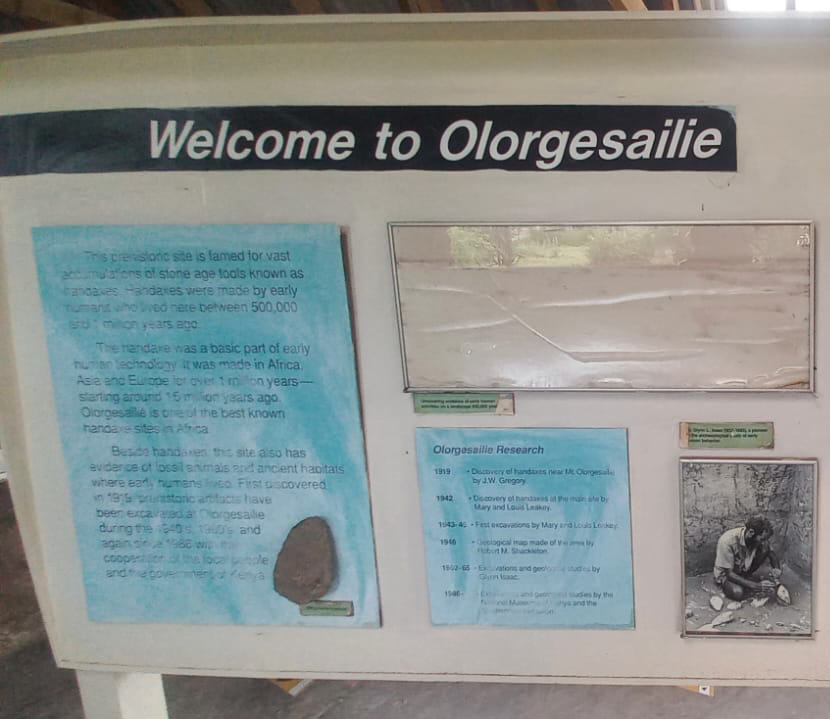
 Most travelers rush between safari parks, beaches, and famous landmarks. Meanwhile, one of the most important archaeological sites on Earth sits quietly in the Rift Valley, largely ignored by international tourism.
The guidebooks missed this, but Olorgesailie isn't just another historical site. It's a front-row seat to the story of humanity itself.
What Exactly Is Olorgesailie?
Nestled in the southern Rift Valley of Kenya, about 70 kilometers southwest of Nairobi, Olorgesailie Prehistoric Site is one of the world's most significant archaeological discoveries.
For decades, scientists have uncovered thousands upon thousands of stone tools here—many dating back hundreds of thousands of years.
And when I say thousands, I mean entire landscapes scattered with evidence of early human life.
Imagine standing where our ancestors hunted, crafted tools, adapted to climate change, and developed behaviors that would eventually shape civilization.
That's Olorgesailie.
It's not history you read.
It's history you stand inside.
Why Archaeologists Are Obsessed With This Place
Most archaeological sites reveal a single snapshot in time.
Olorgesailie reveals an entire movie.
Researchers discovered that ancient humans repeatedly returned to this area over immense stretches of time. The site preserves evidence of technological innovation, environmental adaptation, and changing patterns of human behavior.
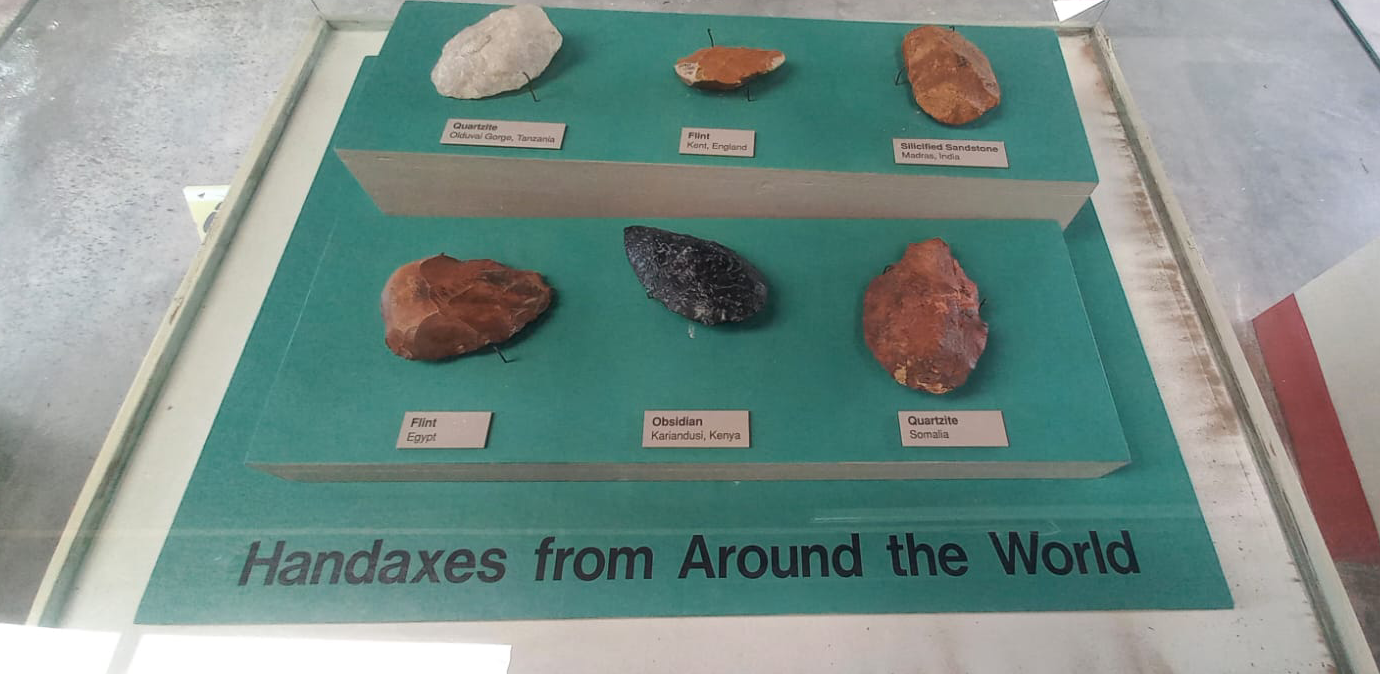
The star attractions are the hand axes.
Hundreds of thousands of years ago, early humans carefully shaped volcanic stone into remarkably symmetrical cutting tools. Looking at them today is strangely emotional.
You expect primitive.
Instead, you find craftsmanship.
Some tools are so refined that they look almost modern.
That's when it hits you:
The people who made these weren't merely surviving.
They were thinking.
Planning.
Experimenting.
Improving.
The story of human ingenuity didn't begin in cities.
It began in places like Olorgesailie.
The Rift Valley Landscape Is Part of the Experience
Many visitors arrive expecting a museum.
What they don't expect is the scenery.
The Rift Valley itself feels prehistoric.
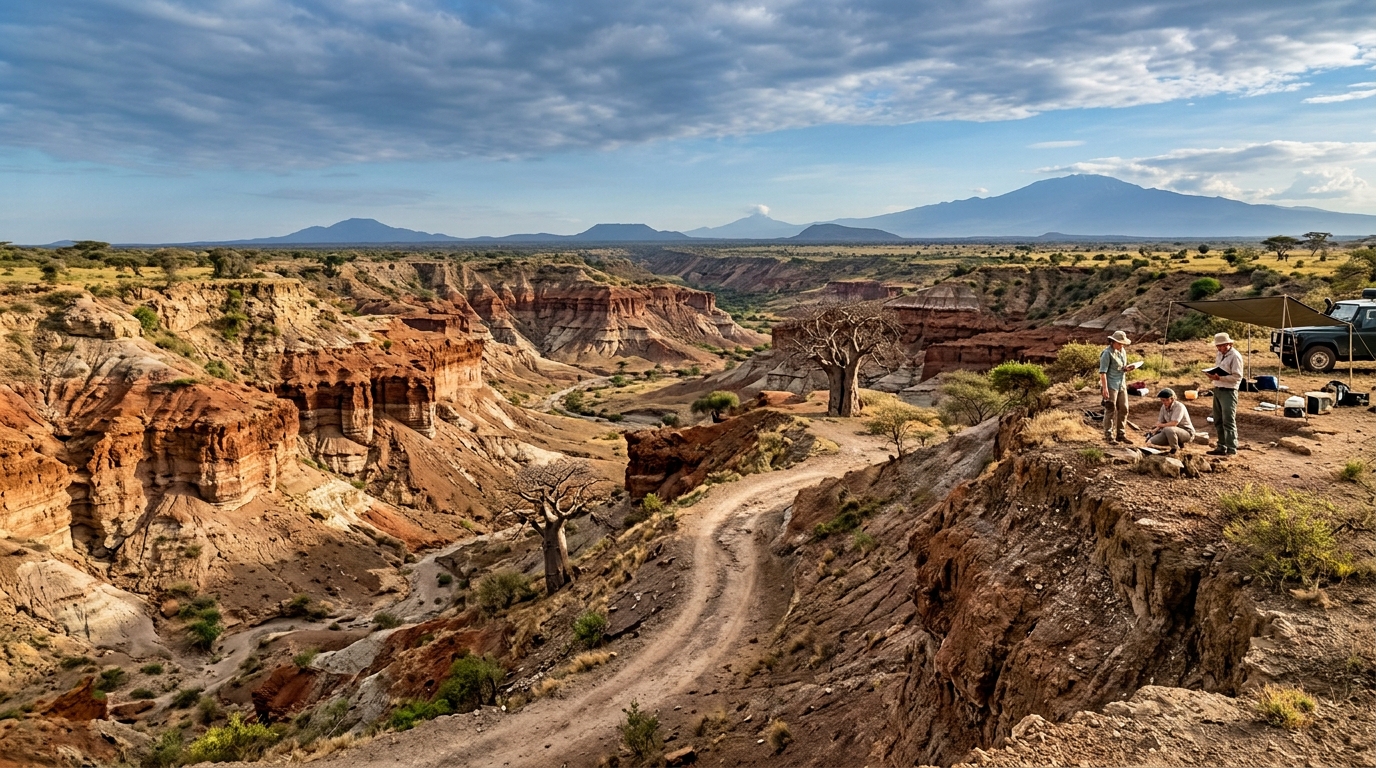
Ancient volcanic formations rise from open plains. Acacia trees punctuate the horizon. Distant hills shimmer under the African sun.
At sunrise, the landscape glows copper and amber.
At sunset, shadows stretch across the excavation sites, making it easy to imagine mammoths, giant baboons, and extinct species roaming the area thousands of generations ago.
The setting transforms archaeology into something immersive.
You aren't simply learning about the past.
You're walking through it.
The Museum Everyone Skips—and Shouldn't
Near the excavation area sits the visitor center and museum.
Here's where most travelers make a mistake.
They spend ten minutes inside.
Don't.
I spent days figuring this out so you don't have to: the museum is where the site's significance finally clicks.
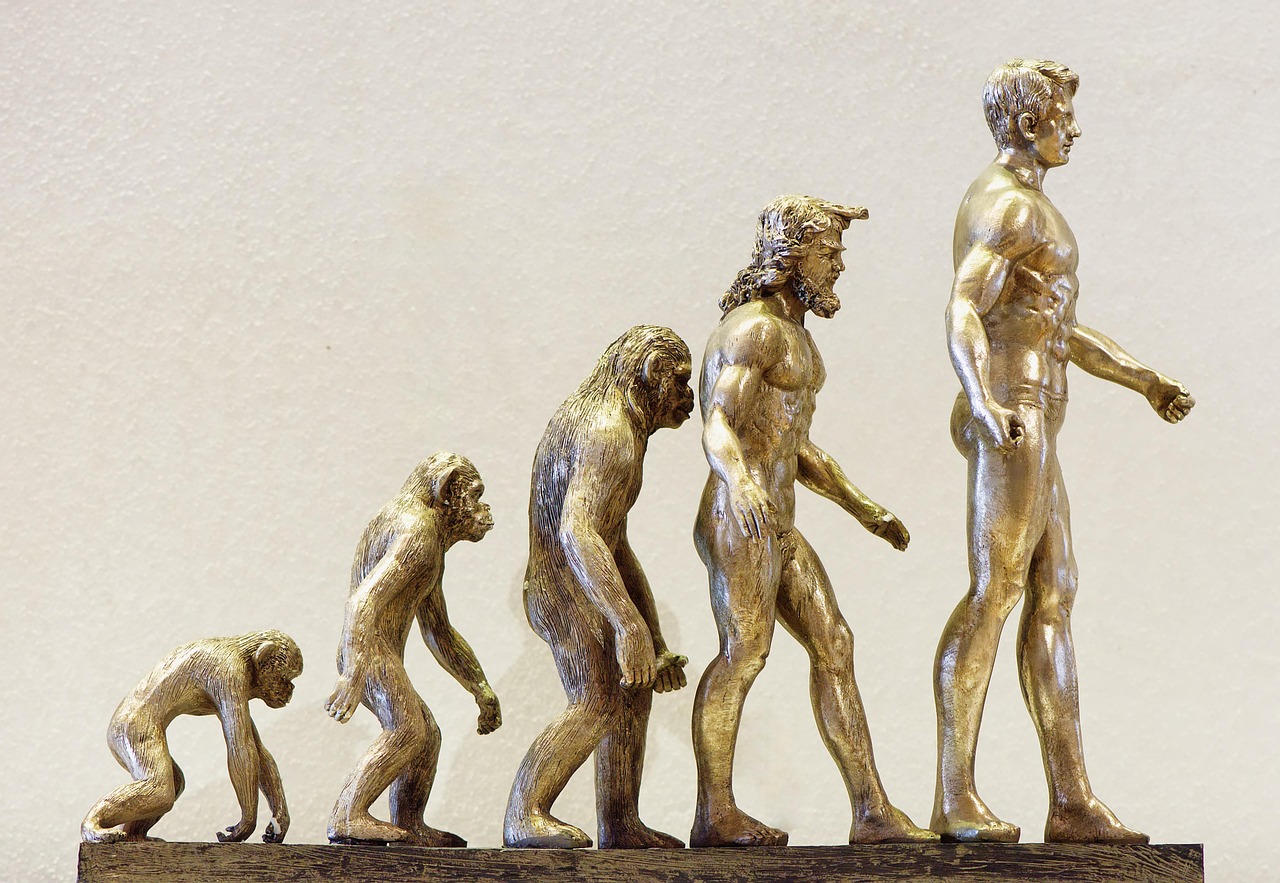
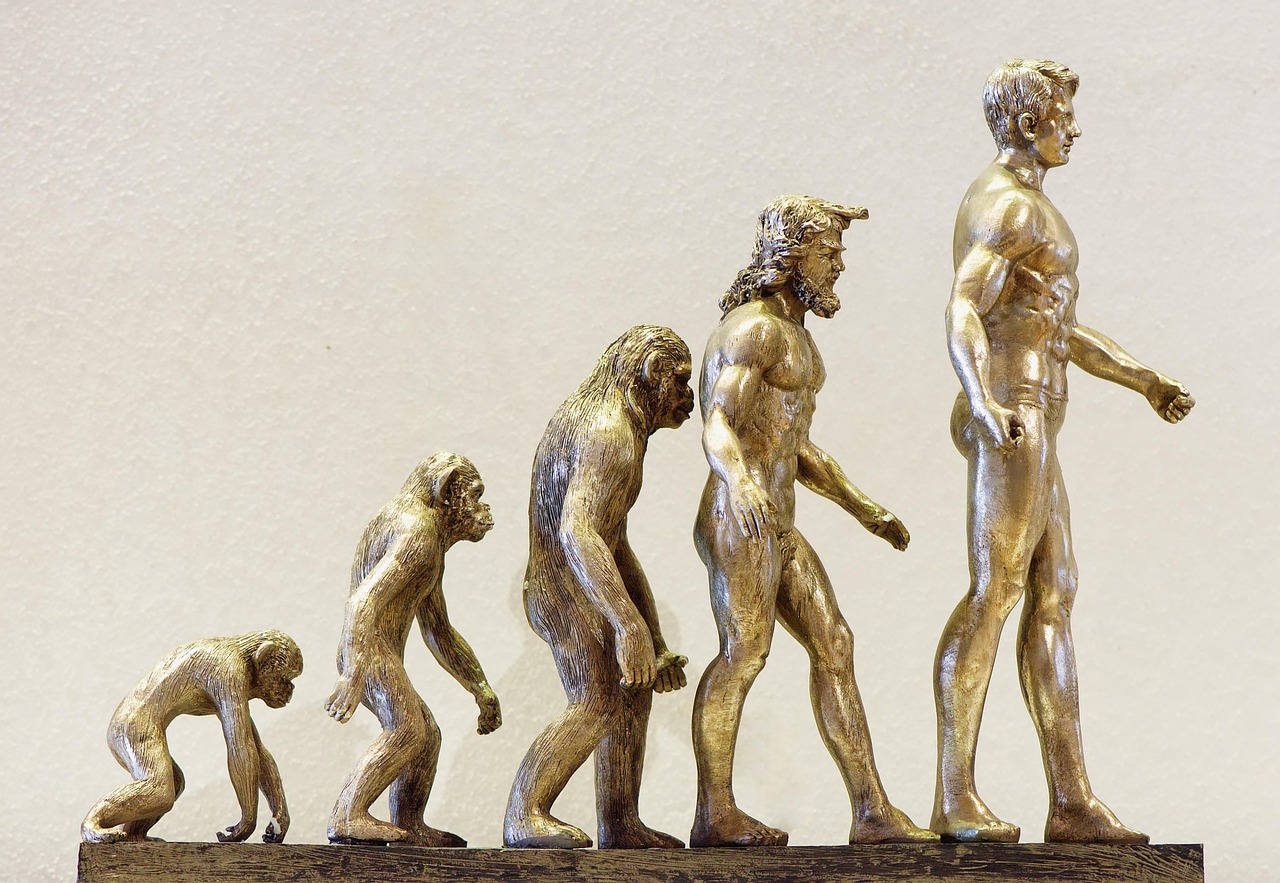
The exhibits connect individual artifacts to the larger story of human evolution.
You'll see stone tools, fossil discoveries, geological explanations, and reconstructions that help you understand why this specific location became such a hotspot for ancient human activity.
Without the museum, you're seeing rocks.
With the museum, you're seeing evidence of humanity's earliest innovations.
Huge difference.
Why Almost Nobody Talks About It
This is the question I kept asking.
How can a site this important remain relatively unknown?
The answer is surprisingly simple.
Olorgesailie has terrible competition.
It's competing against:
- The legendary wildlife of Maasai Mara National Reserve
- The iconic views of Mount Kilimanjaro visible from southern Kenya
- The beaches of Mombasa
- The adventure tourism of the Rift Valley
For most travelers, archaeology doesn't immediately win that battle.
But that's exactly why visiting feels special.
You're not standing in a crowd of tour buses.
You're discovering something that many travelers never even hear about.
And in an era where every destination seems optimized for social media, that rarity feels refreshing.
 The Unexpected Maasai Connection
Another reason Olorgesailie stands out is its living cultural context.
The surrounding region is home to many members of the Maasai Community, whose traditions remain deeply connected to the landscape.
While the prehistoric discoveries and modern Maasai culture belong to very different periods of history, experiencing both in the same journey creates a powerful perspective on continuity, adaptation, and humanity's relationship with place.
It's a reminder that this landscape has never stopped being important.
Different people.
Different eras.
Same extraordinary valley.
When to Visit
The dry seasons generally offer the most comfortable conditions for exploring.
Early morning is particularly magical.
The temperatures are cooler, wildlife sightings can be more common in surrounding areas, and the light transforms the Rift Valley into something almost cinematic.
Bring:
- Plenty of water
- Sun protection
- Comfortable walking shoes
- A camera with a zoom lens
- Curiosity
Especially curiosity.
Because this isn't a destination that overwhelms you with spectacle.
It rewards attention.
The Real Secret of Olorgesailie
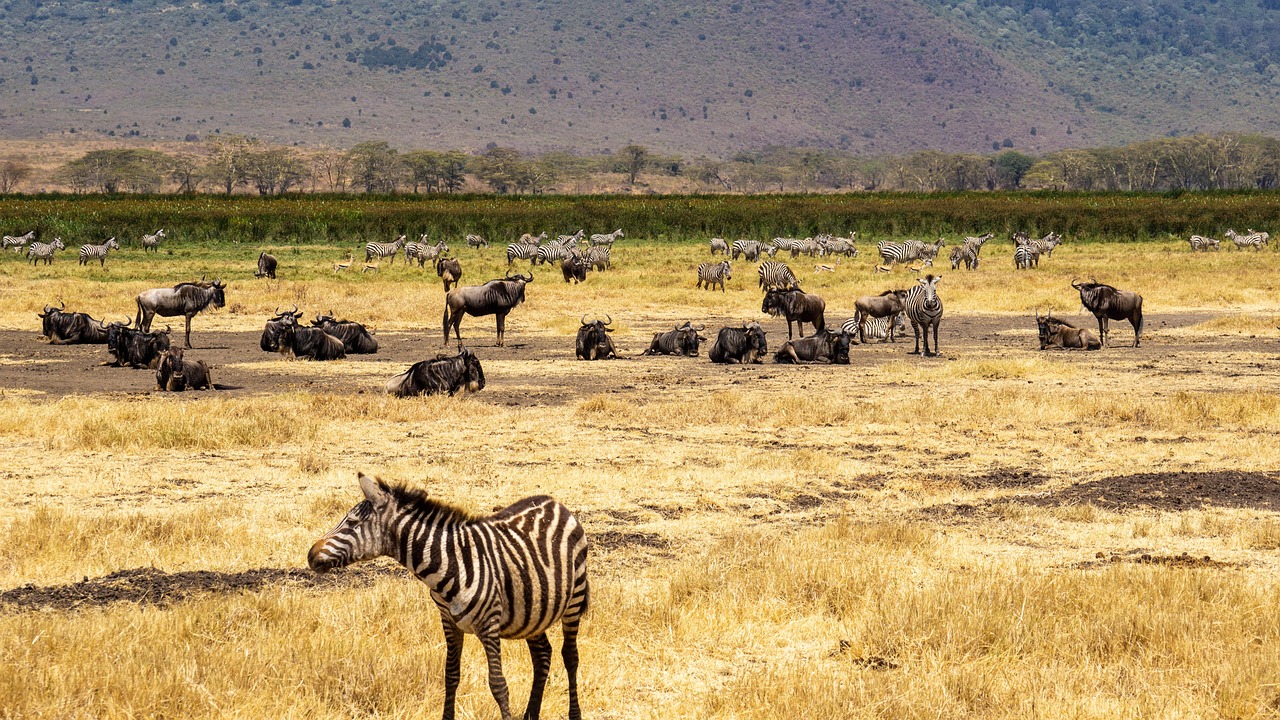
Most travelers visit Africa to see extraordinary animals.
At Olorgesailie, you discover something equally remarkable.
Yourself.
Or more accurately, your origins.
Every stone tool, every excavation trench, every exposed layer of ancient earth tells the same story:
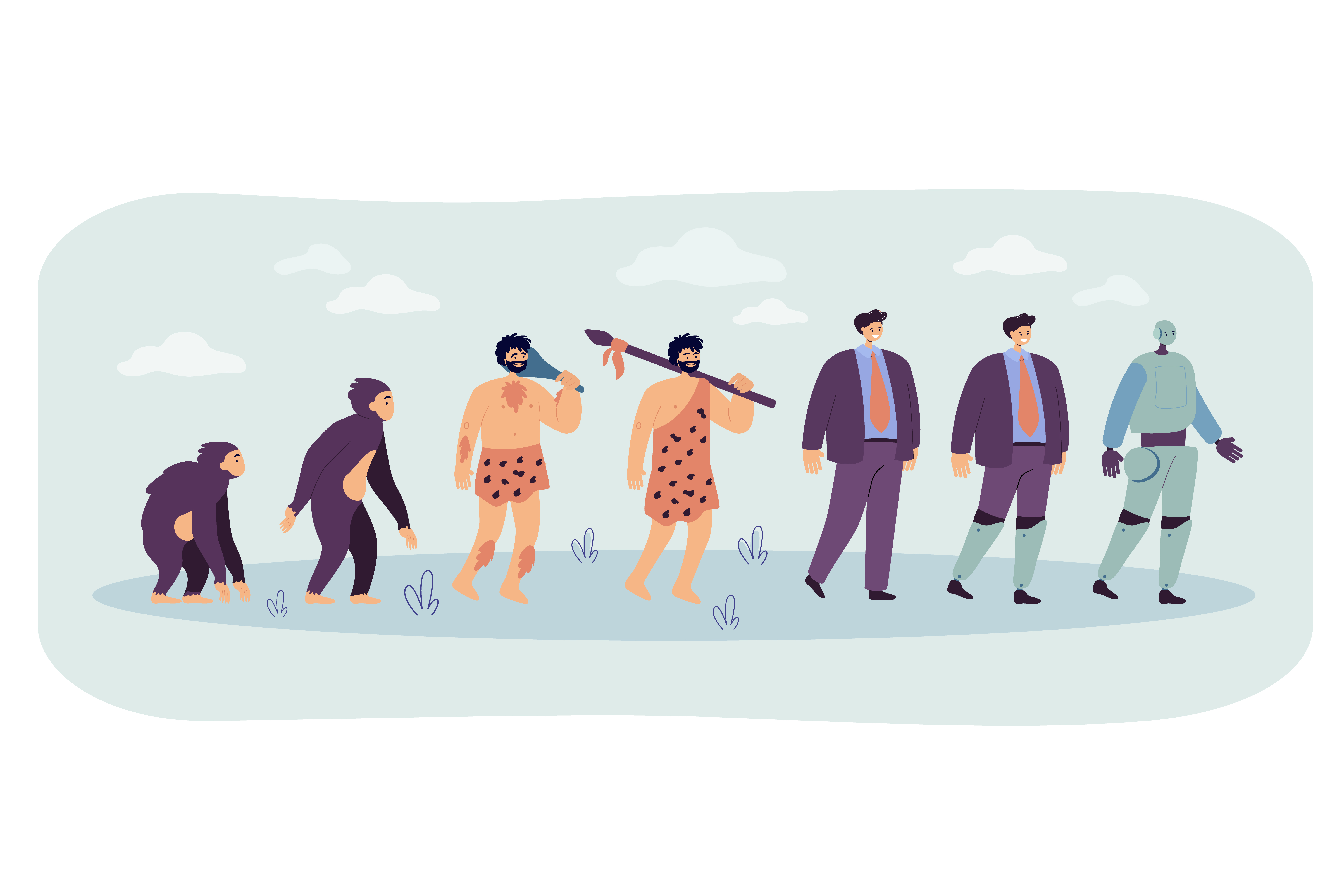
Humanity didn't emerge fully formed.
We learned.
We adapted.
We innovated.
We persisted.
Standing in the Rift Valley, surrounded by evidence left behind hundreds of thousands of years ago, that realization feels surprisingly personal.
You stop thinking about "ancient humans."
You start thinking about ancestors.
And that's what makes Olorgesailie unforgettable.
Not because it's one of Africa's greatest archaeological sites.
But because it's one of the few places on Earth where the distance between past and present suddenly feels very, very small.
Most travelers rush between safari parks, beaches, and famous landmarks. Meanwhile, one of the most important archaeological sites on Earth sits quietly in the Rift Valley, largely ignored by international tourism.
The guidebooks missed this, but Olorgesailie isn't just another historical site. It's a front-row seat to the story of humanity itself.

What Exactly Is Olorgesailie?
Nestled in the southern Rift Valley of Kenya, about 70 kilometers southwest of Nairobi, Olorgesailie Prehistoric Site is one of the world's most significant archaeological discoveries.
For decades, scientists have uncovered thousands upon thousands of stone tools here—many dating back hundreds of thousands of years.
And when I say thousands, I mean entire landscapes scattered with evidence of early human life.
Imagine standing where our ancestors hunted, crafted tools, adapted to climate change, and developed behaviors that would eventually shape civilization.
That's Olorgesailie.

It's not history you read.
It's history you stand inside.
Why Archaeologists Are Obsessed With This Place
Most archaeological sites reveal a single snapshot in time.
Olorgesailie reveals an entire movie.
Researchers discovered that ancient humans repeatedly returned to this area over immense stretches of time. The site preserves evidence of technological innovation, environmental adaptation, and changing patterns of human behavior.
The star attractions are the hand axes.
Hundreds of thousands of years ago, early humans carefully shaped volcanic stone into remarkably symmetrical cutting tools. Looking at them today is strangely emotional.
You expect primitive.
Instead, you find craftsmanship.
Some tools are so refined that they look almost modern.
That's when it hits you:
The people who made these weren't merely surviving.
They were thinking.
Planning.
Experimenting.
Improving.
The story of human ingenuity didn't begin in cities.
It began in places like Olorgesailie.
The Rift Valley Landscape Is Part of the Experience
Many visitors arrive expecting a museum.
What they don't expect is the scenery.
The Rift Valley itself feels prehistoric.
Ancient volcanic formations rise from open plains. Acacia trees punctuate the horizon. Distant hills shimmer under the African sun.
At sunrise, the landscape glows copper and amber.
At sunset, shadows stretch across the excavation sites, making it easy to imagine mammoths, giant baboons, and extinct species roaming the area thousands of generations ago.
The setting transforms archaeology into something immersive.
You aren't simply learning about the past.
You're walking through it.
The Museum Everyone Skips—and Shouldn't
Near the excavation area sits the visitor center and museum.
Here's where most travelers make a mistake.
They spend ten minutes inside.
Don't.
I spent days figuring this out so you don't have to: the museum is where the site's significance finally clicks.
The exhibits connect individual artifacts to the larger story of human evolution.
You'll see stone tools, fossil discoveries, geological explanations, and reconstructions that help you understand why this specific location became such a hotspot for ancient human activity.
Without the museum, you're seeing rocks.
With the museum, you're seeing evidence of humanity's earliest innovations.
Huge difference.
Why Almost Nobody Talks About It
This is the question I kept asking.
How can a site this important remain relatively unknown?
The answer is surprisingly simple.
Olorgesailie has terrible competition.
It's competing against:
- The legendary wildlife of Maasai Mara National Reserve
- The iconic views of Mount Kilimanjaro visible from southern Kenya
- The beaches of Mombasa
- The adventure tourism of the Rift Valley
For most travelers, archaeology doesn't immediately win that battle.
But that's exactly why visiting feels special.
You're not standing in a crowd of tour buses.
You're discovering something that many travelers never even hear about.
And in an era where every destination seems optimized for social media, that rarity feels refreshing.
The Unexpected Maasai Connection
Another reason Olorgesailie stands out is its living cultural context.
The surrounding region is home to many members of the Maasai Community, whose traditions remain deeply connected to the landscape.
While the prehistoric discoveries and modern Maasai culture belong to very different periods of history, experiencing both in the same journey creates a powerful perspective on continuity, adaptation, and humanity's relationship with place.
It's a reminder that this landscape has never stopped being important.
Different people.
Different eras.
Same extraordinary valley.
When to Visit
The dry seasons generally offer the most comfortable conditions for exploring.
Early morning is particularly magical.
The temperatures are cooler, wildlife sightings can be more common in surrounding areas, and the light transforms the Rift Valley into something almost cinematic.
Bring:
- Plenty of water
- Sun protection
- Comfortable walking shoes
- A camera with a zoom lens
- Curiosity
Especially curiosity.
Because this isn't a destination that overwhelms you with spectacle.
It rewards attention.
The Real Secret of Olorgesailie
Most travelers visit Africa to see extraordinary animals.
At Olorgesailie, you discover something equally remarkable.
Yourself.
Or more accurately, your origins.
Every stone tool, every excavation trench, every exposed layer of ancient earth tells the same story:
Humanity didn't emerge fully formed.
We learned.
We adapted.
We innovated.
We persisted.
Standing in the Rift Valley, surrounded by evidence left behind hundreds of thousands of years ago, that realization feels surprisingly personal.
You stop thinking about "ancient humans."
You start thinking about ancestors.
And that's what makes Olorgesailie unforgettable.
Not because it's one of Africa's greatest archaeological sites.
But because it's one of the few places on Earth where the distance between past and present suddenly feels very, very small.
By Fàith Wambua
June 10, 2026
Comments (0)
No comments yet. Be the first to comment!
Leave a Comment
Please log in to leave a comment.
Login to Comment Register