
Kenya seeks to diversify tourism through AI as UN World Tourism Week is held in Eldoret
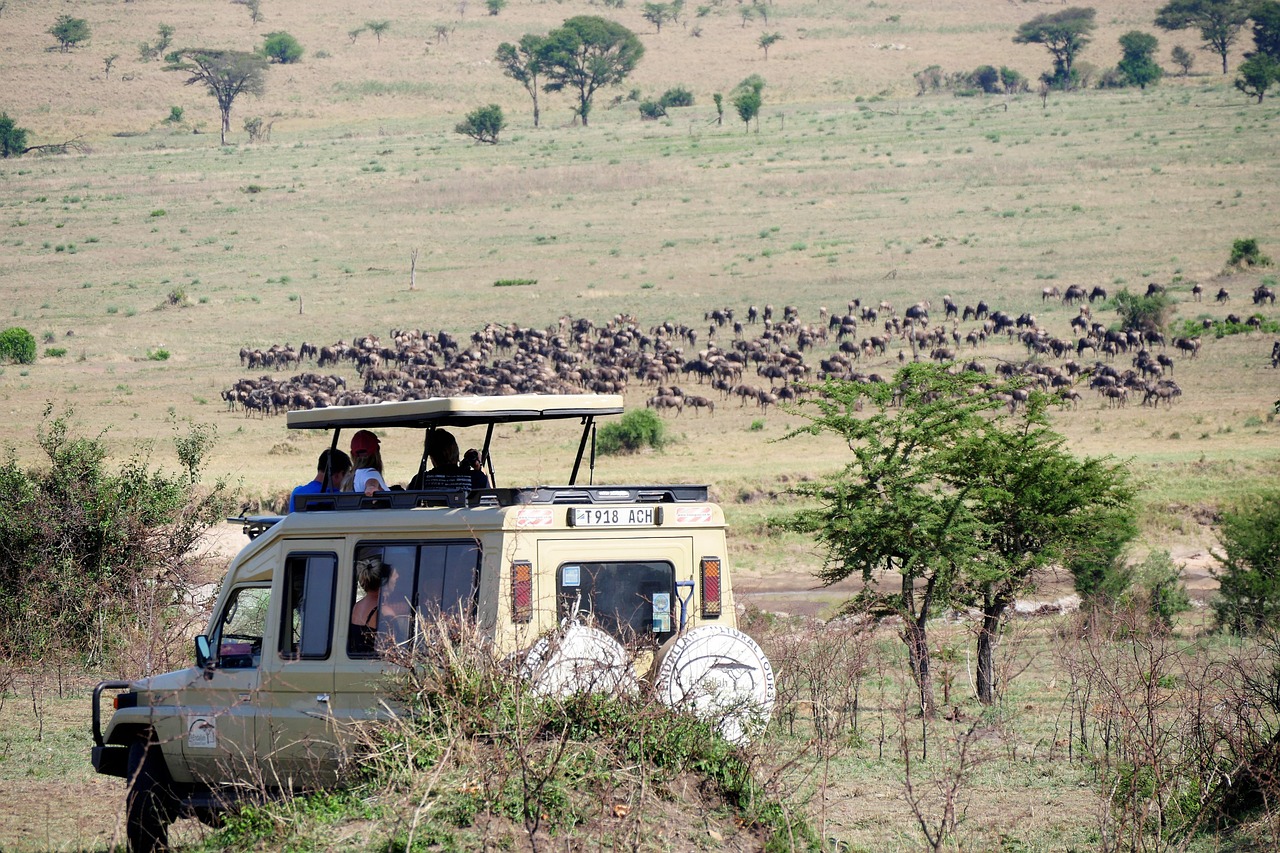
Kenya is turning to artificial intelligence and digital technology as it seeks to broaden its tourism offering beyond the country's established wildlife and coastal destinations.
Eldoret is hosting Kenya's 2026 UN Tourism Week from September 21 to 27, with activities at the University of Eldoret centred on the theme, “Digital Agenda and Artificial Intelligence to Redesign Tourism.”
The event brings together government officials, tourism investors, technology companies, innovators, scholars, conservationists and members of the public.
For Kenya, the week provides an opportunity to promote the North Rift while examining how emerging technology can change the way destinations and tourism businesses reach travellers.
Tourism Principal Secretary Julius Bitok said the programme was designed to give visitors an opportunity to experience the region directly.
“We have lined up many interesting activities to not only see but to actively participate in. We invite everyone to visit Eldoret and the greater North Rift to sample the glory of the true home of champions,” Bitok said.
Taking tourism beyond the traditional circuits
Kenya's international tourism image has long been closely associated with wildlife and the coast. The Eldoret programme is instead putting the North Rift's sporting, cultural and other experiences in front of visitors.
Organisers have planned road trips and a destination caravan to attraction sites across the region, alongside cultural and sporting activities, exhibitions and other tourism experiences.
The programme is also intended to give local businesses an opportunity to promote their products and establish connections with potential markets.
Among those being targeted are micro, small and medium-sized enterprises, tour operators, hoteliers, tour guides, young people and community-based tourism enterprises.
AI for tourism businesses
The technology component will focus on practical applications rather than simply showcasing artificial intelligence.
Participants are expected to explore the use of digital tools and AI in destination marketing, content creation, customer engagement, business development and market intelligence. For smaller businesses, the potential benefit is greater digital visibility.
A community tourism enterprise or tour operator that previously relied heavily on traditional marketing could use digital platforms to reach travellers searching for particular experiences, while tourism authorities can use data to better understand visitor interests and behaviour.
But the wider World Tourism Day message also highlights a risk.

UN Secretary-General António Guterres said artificial intelligence could strengthen small businesses and improve tourism services, but warned that unchecked use of the technology could also direct visitors towards the same destinations and platforms while leaving other places behind.
“Technology must serve humanity,” Guterres said.
He called for tourism workers, local communities and emerging destinations to have a role in shaping the industry's digital future.
That issue is particularly relevant to Kenya's diversification plans.
The North Rift's tourism pitch
Eldoret is using the week to promote itself and the wider North Rift as more than a stopover or business centre.
The programme includes sporting and cultural experiences, hot-air balloon rides, entertainment activities and visits to tourism attractions. Environmental activities, including tree-growing and clean-up exercises, are also part of the programme.
The region's sporting identity is central to that pitch.
Eldoret's reputation as the home of some of Kenya's leading distance runners gives it a tourism story that is different from the country's traditional wildlife narrative.
The challenge is turning that identity into a tourism product that visitors can discover, book and experience.
Implications beyond Kenya
The push towards digital tourism comes at a time when East African destinations are competing not only for international visitors but also for a growing regional travel market.
Kenya's tourism products are often part of wider East African itineraries, alongside destinations in Tanzania, Uganda and Rwanda.
Greater use of digital technology could make it easier for travellers to discover experiences across borders and combine several destinations in one trip. But technology alone does not resolve the practical issues that determine whether such journeys happen, including transport, connectivity, border arrangements and the cost of travel.
For Kenya's smaller tourism operators, the immediate question is therefore whether the AI discussion will translate into more customers.
From conference theme to business reality
The Eldoret week offers a platform for government and the tourism industry to demonstrate what AI could mean for the sector.
But its longer-term impact will depend on what happens after the exhibitions and discussions end.
If tourism businesses can use the technology to reach new customers and lesser-known destinations can gain visibility, AI could become part of Kenya's diversification strategy.
If digital tools simply reinforce the destinations that already dominate international tourism, the technology could have the opposite effect to the one intended.
 That tension is at the centre of this year's global World Tourism Day message. As Guterres put it, the task is to build a digital future for tourism that is “open, inclusive and human” while ensuring that innovation benefits the people and places that make tourism possible.
For Eldoret and the North Rift, the test will be whether the attention generated this week translates into visitors, investment and new business opportunities long after the event closes on September 27.
Kenya seeks to diversify tourism through AI as UN World Tourism Week is held in Eldoret



Kenya is turning to artificial intelligence and digital technology as it seeks to broaden its tourism offering beyond the country's established wildlife and coastal destinations.
Eldoret is hosting Kenya's 2026 UN Tourism Week from September 21 to 27, with activities at the University of Eldoret centred on the theme, “Digital Agenda and Artificial Intelligence to Redesign Tourism.”

The event brings together government officials, tourism investors, technology companies, innovators, scholars, conservationists and members of the public.
For Kenya, the week provides an opportunity to promote the North Rift while examining how emerging technology can change the way destinations and tourism businesses reach travellers.
Tourism Principal Secretary Julius Bitok said the programme was designed to give visitors an opportunity to experience the region directly.
“We have lined up many interesting activities to not only see but to actively participate in. We invite everyone to visit Eldoret and the greater North Rift to sample the glory of the true home of champions,” Bitok said.
Taking tourism beyond the traditional circuits
Kenya's international tourism image has long been closely associated with wildlife and the coast. The Eldoret programme is instead putting the North Rift's sporting, cultural and other experiences in front of visitors.
Organisers have planned road trips and a destination caravan to attraction sites across the region, alongside cultural and sporting activities, exhibitions and other tourism experiences.
The programme is also intended to give local businesses an opportunity to promote their products and establish connections with potential markets.
Among those being targeted are micro, small and medium-sized enterprises, tour operators, hoteliers, tour guides, young people and community-based tourism enterprises.
AI for tourism businesses
The technology component will focus on practical applications rather than simply showcasing artificial intelligence.
Participants are expected to explore the use of digital tools and AI in destination marketing, content creation, customer engagement, business development and market intelligence. For smaller businesses, the potential benefit is greater digital visibility.
A community tourism enterprise or tour operator that previously relied heavily on traditional marketing could use digital platforms to reach travellers searching for particular experiences, while tourism authorities can use data to better understand visitor interests and behaviour.
But the wider World Tourism Day message also highlights a risk.
UN Secretary-General António Guterres said artificial intelligence could strengthen small businesses and improve tourism services, but warned that unchecked use of the technology could also direct visitors towards the same destinations and platforms while leaving other places behind.
“Technology must serve humanity,” Guterres said.
He called for tourism workers, local communities and emerging destinations to have a role in shaping the industry's digital future.
That issue is particularly relevant to Kenya's diversification plans.
The North Rift's tourism pitch
Eldoret is using the week to promote itself and the wider North Rift as more than a stopover or business centre.
The programme includes sporting and cultural experiences, hot-air balloon rides, entertainment activities and visits to tourism attractions. Environmental activities, including tree-growing and clean-up exercises, are also part of the programme.
The region's sporting identity is central to that pitch.
Eldoret's reputation as the home of some of Kenya's leading distance runners gives it a tourism story that is different from the country's traditional wildlife narrative.
The challenge is turning that identity into a tourism product that visitors can discover, book and experience.
Implications beyond Kenya
The push towards digital tourism comes at a time when East African destinations are competing not only for international visitors but also for a growing regional travel market.
Kenya's tourism products are often part of wider East African itineraries, alongside destinations in Tanzania, Uganda and Rwanda.
Greater use of digital technology could make it easier for travellers to discover experiences across borders and combine several destinations in one trip. But technology alone does not resolve the practical issues that determine whether such journeys happen, including transport, connectivity, border arrangements and the cost of travel.
For Kenya's smaller tourism operators, the immediate question is therefore whether the AI discussion will translate into more customers.
From conference theme to business reality
The Eldoret week offers a platform for government and the tourism industry to demonstrate what AI could mean for the sector.
But its longer-term impact will depend on what happens after the exhibitions and discussions end.
If tourism businesses can use the technology to reach new customers and lesser-known destinations can gain visibility, AI could become part of Kenya's diversification strategy.
If digital tools simply reinforce the destinations that already dominate international tourism, the technology could have the opposite effect to the one intended.
That tension is at the centre of this year's global World Tourism Day message. As Guterres put it, the task is to build a digital future for tourism that is “open, inclusive and human” while ensuring that innovation benefits the people and places that make tourism possible.
For Eldoret and the North Rift, the test will be whether the attention generated this week translates into visitors, investment and new business opportunities long after the event closes on September 27.
By Fàith Wambua
September 21, 2026
Comments (0)
No comments yet. Be the first to comment!
Leave a Comment
Please log in to leave a comment.
Login to Comment Register