
King’s Palace Museum
What does it feel like to stand at the heart of a kingdom that flourished for over four centuries before finally settling into history? Well, you are about to find out!
The answer lies at the King’s Palace Museum in Nyanza, Rwanda — a carefully reconstructed royal residence that preserves the memory of Rwanda’s pre-colonial monarchy before colonial influence reshaped the region.
Rwanda’s monarchy dates back to the 15th century. According to oral tradition, the kingdom traces its origins to Gihanga Ngomijana, revered as the symbolic founder of the nation. Early governance operated through clans led by elders, but over time, centralized kingship emerged, forming one of East Africa’s most organized and enduring monarchies.
1896 to 1961 - The Final Chapter of the Monarchy
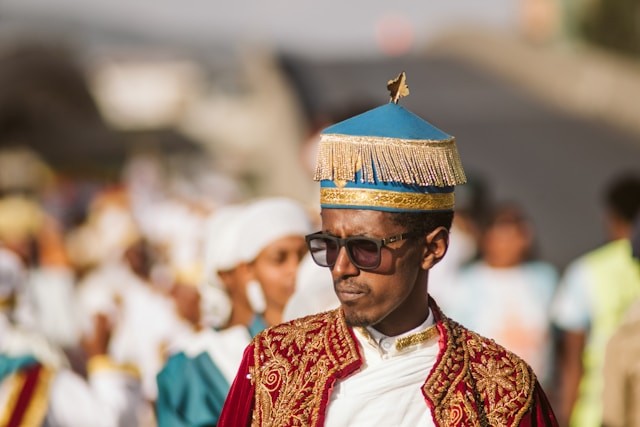
Between 1896 and 1931, Rwanda was ruled by Yuhi V Musinga, known as the Mwami. He lived in the traditional palace known as Ibwami, maintaining the sacred customs of royal leadership.
After Germany’s defeat in World War I, Belgium took administrative control of Rwanda. In 1931, King Musinga was deposed by the Belgian authorities for resisting Christian conversion. He was replaced by his son, Mutara III Rudahigwa, who embraced Christianity and ruled during a period of increasing colonial influence.
In 1959, Mutara III died unexpectedly and was succeeded by Kigeli V Ndahindurwa, the last king of Rwanda. Following a 1961 referendum, the monarchy was abolished, bringing centuries of royal governance to an end.
A Royal Residence Reborn: The Traditional Palace
Reconstructed in 2008 by the Rwandan government, the traditional palace stands today as a tribute to the country’s pre-colonial heritage. Shaped like a giant woven crown or beehive, the structure is crafted entirely from natural materials — wood, thatch, reeds, and fibre, reflecting indigenous architectural mastery.
• The palace compound consists of:
• The King’s Private Chamber
• The Queen’s and Queen Mother’s Chambers
• The Inyambo Cattle Enclosures
• Spaces for Royal Rituals and Ceremonies
• The Sacred Milk Hut
Each structure holds cultural, political, and spiritual meaning.
The King’s Private Chamber
At the very center of the compound stands the King’s private chamber, surrounded by other huts arranged in concentric formation. This design symbolizes authority, protection, and unity.
The king was more than a political leader. He was regarded as a sacred figure — a symbol of fertility, prosperity, and divine harmony between land, cattle, and people. His chamber was the heart of the kingdom, where decisions were made and rituals observed.
The Queen and the Queen Mother’s Chambers
Within the royal compound were separate quarters for the queen and the queen mother (Umugabekazi). Though not centrally positioned like the king’s hut, their influence was profound.
The queen mother, in particular, often served as a trusted advisor, holding significant political and cultural authority. These chambers also housed attendants who served the royal household with discipline and respect.
The Inyambo Cattle Enclosures
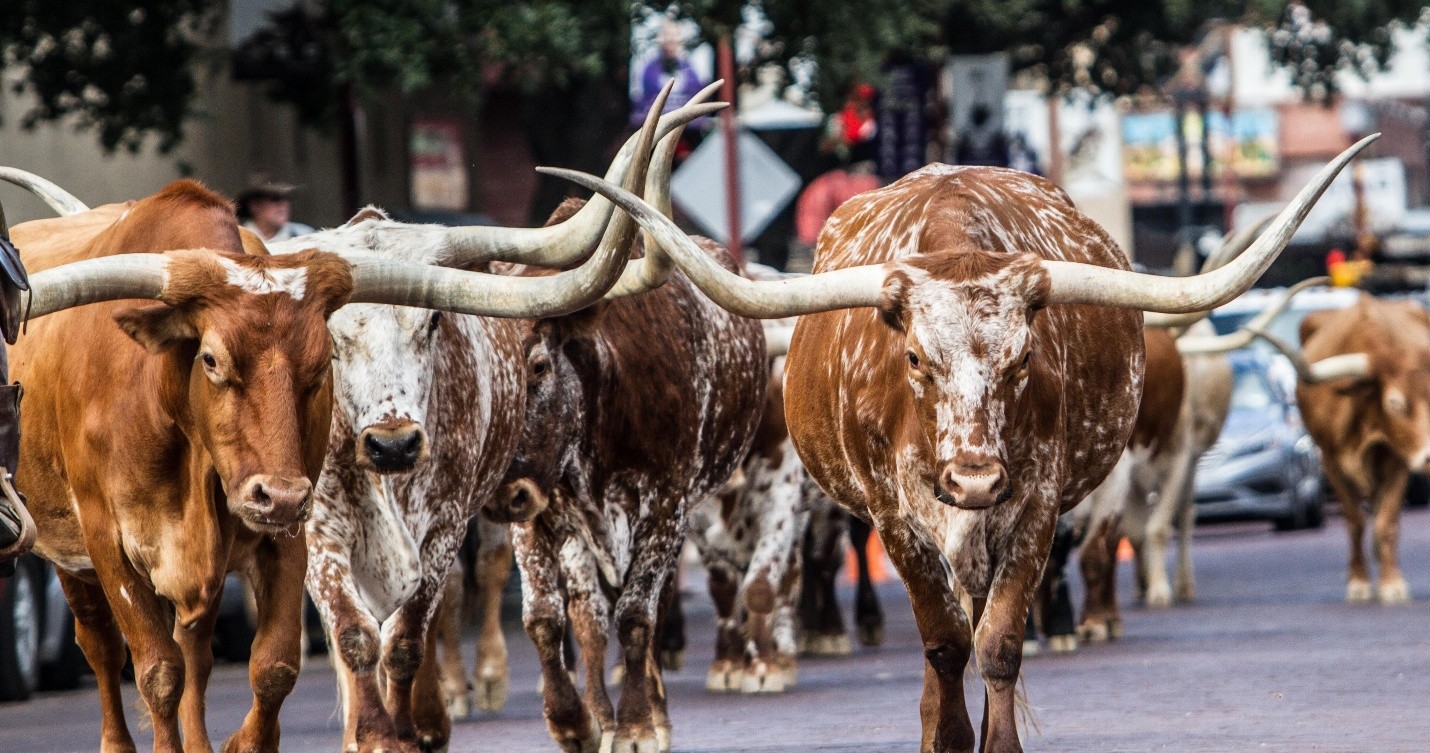 One of the most captivating features of the palace is the enclosure of the sacred Inyambo cattle. These long-horned royal cows were carefully trained to move gracefully in response to traditional songs sung by their keepers.
Distinguished by their elegant, crescent-shaped horns, the Inyambo symbolized:
• Beauty
• Royal prestige
• Prosperity
• National blessing
Today, visitors can still witness these magnificent cattle, preserving a living link to Rwanda’s royal heritage.
The Milk Hut: A Symbol of Blessing
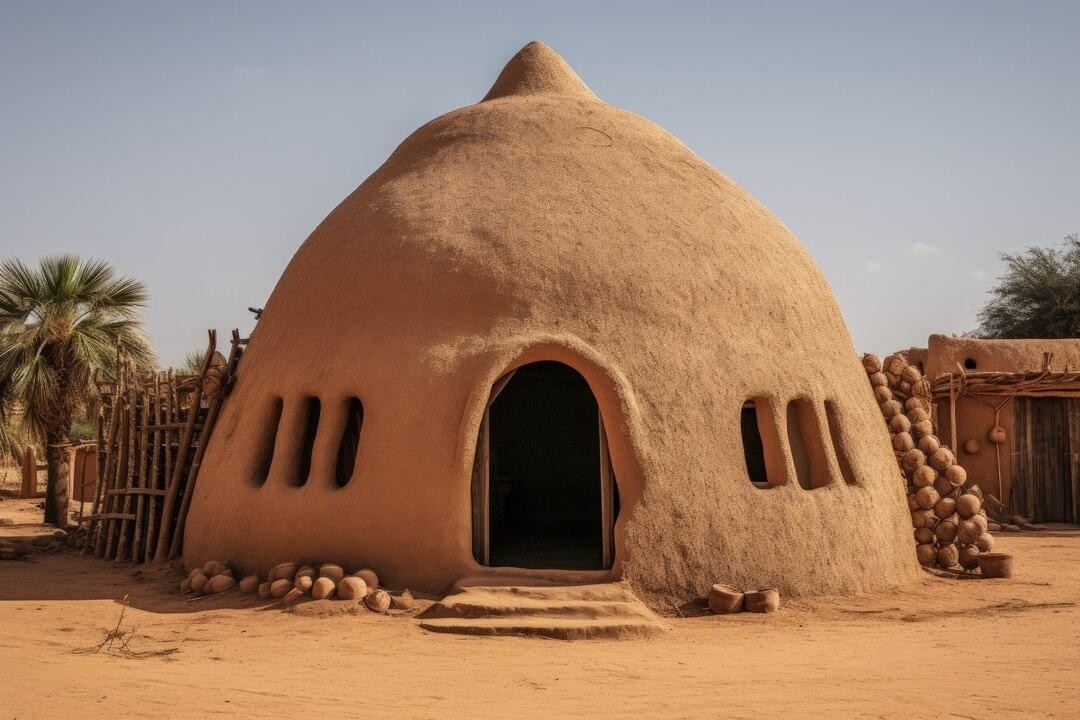 Milk was considered sacred in traditional Rwanda, representing purity, fertility, and abundance.
The milk hut was specially constructed for storing and preserving milk. Access was highly restricted and entrusted to carefully selected unmarried young virgin women to maintain ritual purity.
Milk was stored in beautifully carved wooden pots known as inyabya. These containers were often smoked with selected herbs to preserve the milk and symbolize spiritual cleansing.
The Colonial Palace: A Story of Transition
In contrast to the traditional beehive palace stands the colonial-era palace built with brick walls and European architectural design.
Constructed under Belgian administration for King Mutara III Rudahigwa, this modern structure reflects Rwanda’s transition from an indigenous monarchy to a colonially influenced state.
Inside, visitors find:
• Historical photographs
• Royal regalia
• Furniture and artefacts from the colonial period
This building tells the story of cultural encounter, adaptation, and transformation.
Location and Visitor Experience.
The King’s Palace Museum is located in Nyanza District, approximately 88 kilometers south of Kigali, Rwanda’s capital. The two-hour drive offers breath-taking views of Rwanda’s famous “Land of a Thousand Hills.”
Visitors are guided by knowledgeable staff who narrate the palace’s history with pride and clarity. Cultural performances are occasionally held, allowing guests to witness traditional dance and music once performed in royal courts. The calm atmosphere, the rustling thatched roofs, the dignified cattle, and the peaceful landscape , creates an experience that is both educational and deeply moving.
The Entry fee for adults and children is as follows:
| Category | Nationals | EAC Citizens | International Residents | Non-Residents |
| Adults | 2,000 frw ~ $1.4 | 4,000 frw ~ $3 | 2,000 frw ~ $1.4 | 10,000 frw ~ $7 |
| Children / Students | 1,000 frw ~ $0.7 | 2,000 frw ~ $1.4 | 1,000 frw ~ $0.7 | 4,000 frw ~ $3 |
Preserving a Living Legacy
In a nation that has experienced immense trials and remarkable renewal, preserving cultural heritage is an act of strength and identity.
The King’s Palace Museum stands as a reminder that Rwanda’s story began not in tragedy, but in organized kingdoms, artistic excellence, and structured leadership.
For anyone seeking to understand Rwanda beyond modern headlines, this palace offers clarity. Here, the legacy of the Mwami still echoes through woven walls and sweeping cattle horns.
The King’s Palace Museum is not merely a structure — it is a living story.
King’s Palace Museum
What does it feel like to stand at the heart of a kingdom that flourished for over four centuries before finally settling into history? Well, you are about to find out!
The answer lies at the King’s Palace Museum in Nyanza, Rwanda — a carefully reconstructed royal residence that preserves the memory of Rwanda’s pre-colonial monarchy before colonial influence reshaped the region.
Rwanda’s monarchy dates back to the 15th century. According to oral tradition, the kingdom traces its origins to Gihanga Ngomijana, revered as the symbolic founder of the nation. Early governance operated through clans led by elders, but over time, centralized kingship emerged, forming one of East Africa’s most organized and enduring monarchies.

1896 to 1961 - The Final Chapter of the Monarchy
Between 1896 and 1931, Rwanda was ruled by Yuhi V Musinga, known as the Mwami. He lived in the traditional palace known as Ibwami, maintaining the sacred customs of royal leadership.
After Germany’s defeat in World War I, Belgium took administrative control of Rwanda. In 1931, King Musinga was deposed by the Belgian authorities for resisting Christian conversion. He was replaced by his son, Mutara III Rudahigwa, who embraced Christianity and ruled during a period of increasing colonial influence.

In 1959, Mutara III died unexpectedly and was succeeded by Kigeli V Ndahindurwa, the last king of Rwanda. Following a 1961 referendum, the monarchy was abolished, bringing centuries of royal governance to an end.
A Royal Residence Reborn: The Traditional Palace
Reconstructed in 2008 by the Rwandan government, the traditional palace stands today as a tribute to the country’s pre-colonial heritage. Shaped like a giant woven crown or beehive, the structure is crafted entirely from natural materials — wood, thatch, reeds, and fibre, reflecting indigenous architectural mastery.
• The palace compound consists of:
• The King’s Private Chamber
• The Queen’s and Queen Mother’s Chambers
• The Inyambo Cattle Enclosures

• Spaces for Royal Rituals and Ceremonies
• The Sacred Milk Hut
Each structure holds cultural, political, and spiritual meaning.
The King’s Private Chamber
At the very center of the compound stands the King’s private chamber, surrounded by other huts arranged in concentric formation. This design symbolizes authority, protection, and unity.
The king was more than a political leader. He was regarded as a sacred figure — a symbol of fertility, prosperity, and divine harmony between land, cattle, and people. His chamber was the heart of the kingdom, where decisions were made and rituals observed.
The Queen and the Queen Mother’s Chambers
Within the royal compound were separate quarters for the queen and the queen mother (Umugabekazi). Though not centrally positioned like the king’s hut, their influence was profound.
The queen mother, in particular, often served as a trusted advisor, holding significant political and cultural authority. These chambers also housed attendants who served the royal household with discipline and respect.
The Inyambo Cattle Enclosures
One of the most captivating features of the palace is the enclosure of the sacred Inyambo cattle. These long-horned royal cows were carefully trained to move gracefully in response to traditional songs sung by their keepers.
Distinguished by their elegant, crescent-shaped horns, the Inyambo symbolized:
• Beauty
• Royal prestige
• Prosperity
• National blessing
Today, visitors can still witness these magnificent cattle, preserving a living link to Rwanda’s royal heritage.
The Milk Hut: A Symbol of Blessing
Milk was considered sacred in traditional Rwanda, representing purity, fertility, and abundance.
The milk hut was specially constructed for storing and preserving milk. Access was highly restricted and entrusted to carefully selected unmarried young virgin women to maintain ritual purity.
Milk was stored in beautifully carved wooden pots known as inyabya. These containers were often smoked with selected herbs to preserve the milk and symbolize spiritual cleansing.
The Colonial Palace: A Story of Transition
In contrast to the traditional beehive palace stands the colonial-era palace built with brick walls and European architectural design.
Constructed under Belgian administration for King Mutara III Rudahigwa, this modern structure reflects Rwanda’s transition from an indigenous monarchy to a colonially influenced state.
Inside, visitors find:
• Historical photographs
• Royal regalia
• Furniture and artefacts from the colonial period
This building tells the story of cultural encounter, adaptation, and transformation.
Location and Visitor Experience.
The King’s Palace Museum is located in Nyanza District, approximately 88 kilometers south of Kigali, Rwanda’s capital. The two-hour drive offers breath-taking views of Rwanda’s famous “Land of a Thousand Hills.”
Visitors are guided by knowledgeable staff who narrate the palace’s history with pride and clarity. Cultural performances are occasionally held, allowing guests to witness traditional dance and music once performed in royal courts. The calm atmosphere, the rustling thatched roofs, the dignified cattle, and the peaceful landscape , creates an experience that is both educational and deeply moving.
The Entry fee for adults and children is as follows:
| Category | Nationals | EAC Citizens | International Residents | Non-Residents |
| Adults | 2,000 frw ~ $1.4 | 4,000 frw ~ $3 | 2,000 frw ~ $1.4 | 10,000 frw ~ $7 |
| Children / Students | 1,000 frw ~ $0.7 | 2,000 frw ~ $1.4 | 1,000 frw ~ $0.7 | 4,000 frw ~ $3 |
Preserving a Living Legacy
In a nation that has experienced immense trials and remarkable renewal, preserving cultural heritage is an act of strength and identity.
The King’s Palace Museum stands as a reminder that Rwanda’s story began not in tragedy, but in organized kingdoms, artistic excellence, and structured leadership.
For anyone seeking to understand Rwanda beyond modern headlines, this palace offers clarity. Here, the legacy of the Mwami still echoes through woven walls and sweeping cattle horns.
The King’s Palace Museum is not merely a structure — it is a living story.
By Fàith Wambua
March 3, 2026
Comments (0)
No comments yet. Be the first to comment!
Leave a Comment
Please log in to leave a comment.
Login to Comment Register