
Kalamba Historic Site
Kalamba Historic Site is one of Kenya’s hidden gems, rich in history, faith, and cultural heritage. But why do I say so? And why should anyone consider visiting this remarkable place?
Its significance is reflected in three major highlights:
- A mausoleum ; believed to contain the remains of the first missionaries — Peter Cameron Scott,who died in 1896 and Thomas Allan, who died in 1898
- The old church; built in 1932 by AIM missionaries, as a more permanent building to replace the first grass thatched church built by the fist missionaries. It still stands upto date as a symbol of enduring faith and dedication.
- A museum; showcasing the rich culture and traditions of the surrounding Akamba community, with images showing the dynamics of the mission work in conjunction withe the Akamba culture.
Located in the eastern part of Kenya in Makueni County, Kalamba’s story, however, begins far away in Philadelphia, where Peter Cameron Scott was born.
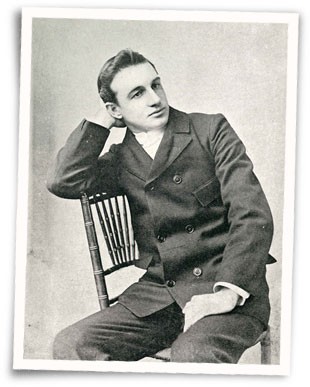
Peter Cameron Scott was a Scottish-American missionary with a deep passion for spreading the Christian faith in Africa. In the late 19th century, he felt a strong calling to establish a mission in East Africa. Driven by faith and determination, he founded the Africa Inland Mission (AIM).
In 1895, despite limited resources and serious health risks, Scott travelled to East Africa. His goal was clear: to reach inland communities that had not yet encountered Christian teaching. This mission would later give birth to the Africa Inland Church (AIC), now one of Kenya’s largest Christian denominations.
Scott’s journey led him to the Ukambani region. Sadly, his life was cut short by illness in 1896. Yet even in death, his vision did not die. Instead, it laid the foundation for decades of missionary work that would shape the spiritual landscape of the region.
The Land and Its People: The Akamba of Nzaui
Before the arrival of missionaries, the Kalamba region, then known as Nzaui, was home to the Akamba people. The Akamba were known for their resilience, long-distance trade, beekeeping, and exceptional wood-carving skills.
They traded across vast regions, exchanging ivory, grains, honey, and handcrafted goods. Spiritually, they believed in a supreme God known as Ngai and honoured ancestral spirits termed as aimu through elders and diviners.
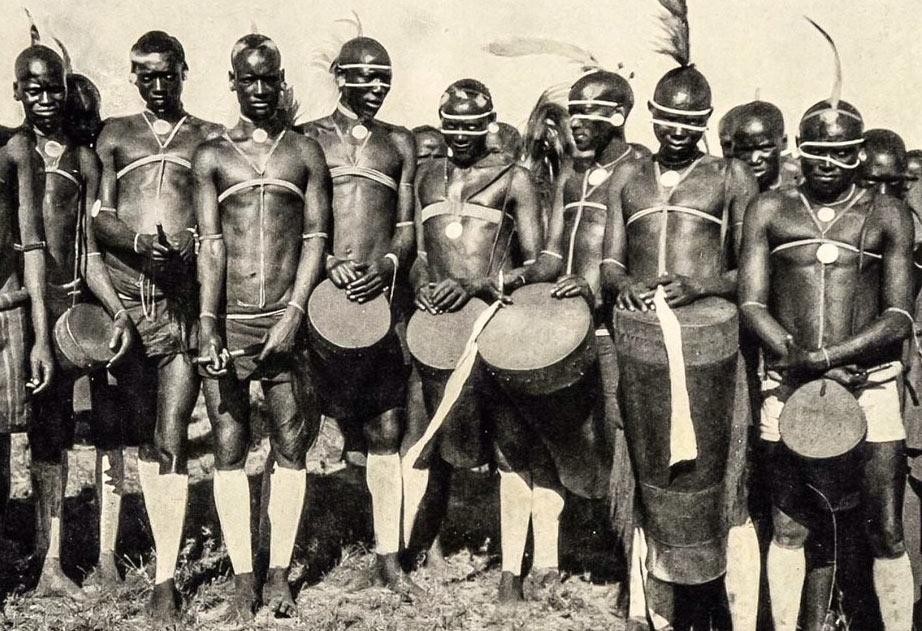
Nzaui’s semi-arid terrain, rocky hills and scattered vegetation shaped the community’s resourcefulness. Governance revolved around councils of elders who resolved disputes and preserved customs. Knowledge was passed down orally long before formal education was introduced.
Music, storytelling, dance, and rites of passage played an important role in maintaining social unity and cultural continuity.
Cultural Encounter and Early Struggles
When Scott and his missionary team arrived under the banner of Africa Inland Mission,they were hosted by the Church Missionary Society at Frere town in Mombasa, the bigger task was entering the interior for their mission work, their reception was uncertain and at times hostile. The local community was understandably cautious of foreigners with unfamiliar teachings.
Communication barriers and cultural differences created tension. The missionaries began humbly, building simple mud-walled churches with thatched roofs. They faced malaria, harsh climatic conditions, food shortages, and resistance from some locals.
Yet, over time, relationships slowly formed. Acts of compassion, offering medical assistance and basic education, gradually earned trust. Some members of the community began embracing Christianity.
An interesting oral tradition tells of an elderly medicine woman know as Syombesa, believed to possess mythical bees that never attacked her and produced abundant honey. These bees, whose descendants locals believe still exist in the area, became woven into Kalamba’s folklore symbolizing mystery, blessing, and cultural continuity.
The 1932 Old Church.
In 1932, a more permanent church replaced the earlier mud structures. Built on a large rock foundation, it symbolized strength and spiritual stability. Constructing the church on rock also protected it from erosion and termite damage common in the region. Its design was simple but functional — featuring a lobby area, a main sanctuary, and adjoining rooms used for prayer and instruction.
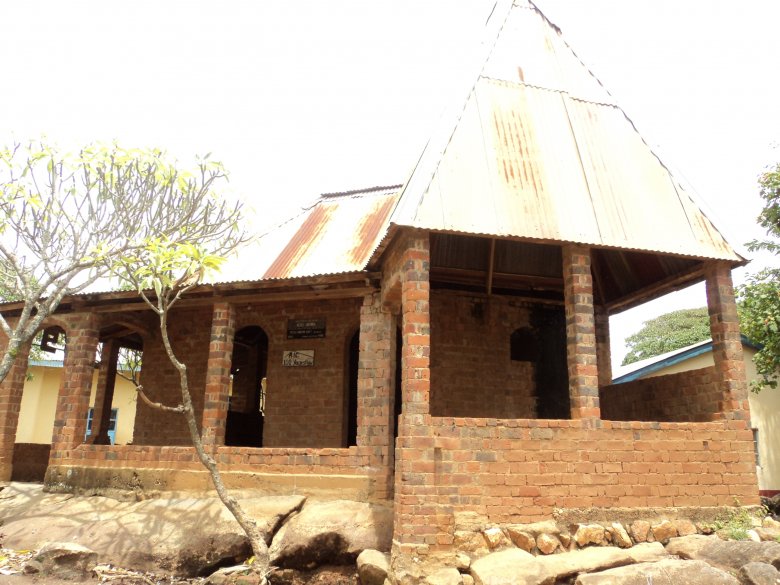
The conical roof was both practical and culturally influenced. It allowed heat to rise in the hot climate while echoing traditional African architectural forms.Today, the church still stands — a silent witness to endurance, faith, and transformation.
The Mausoleum: A Missionary’s Final Resting Place
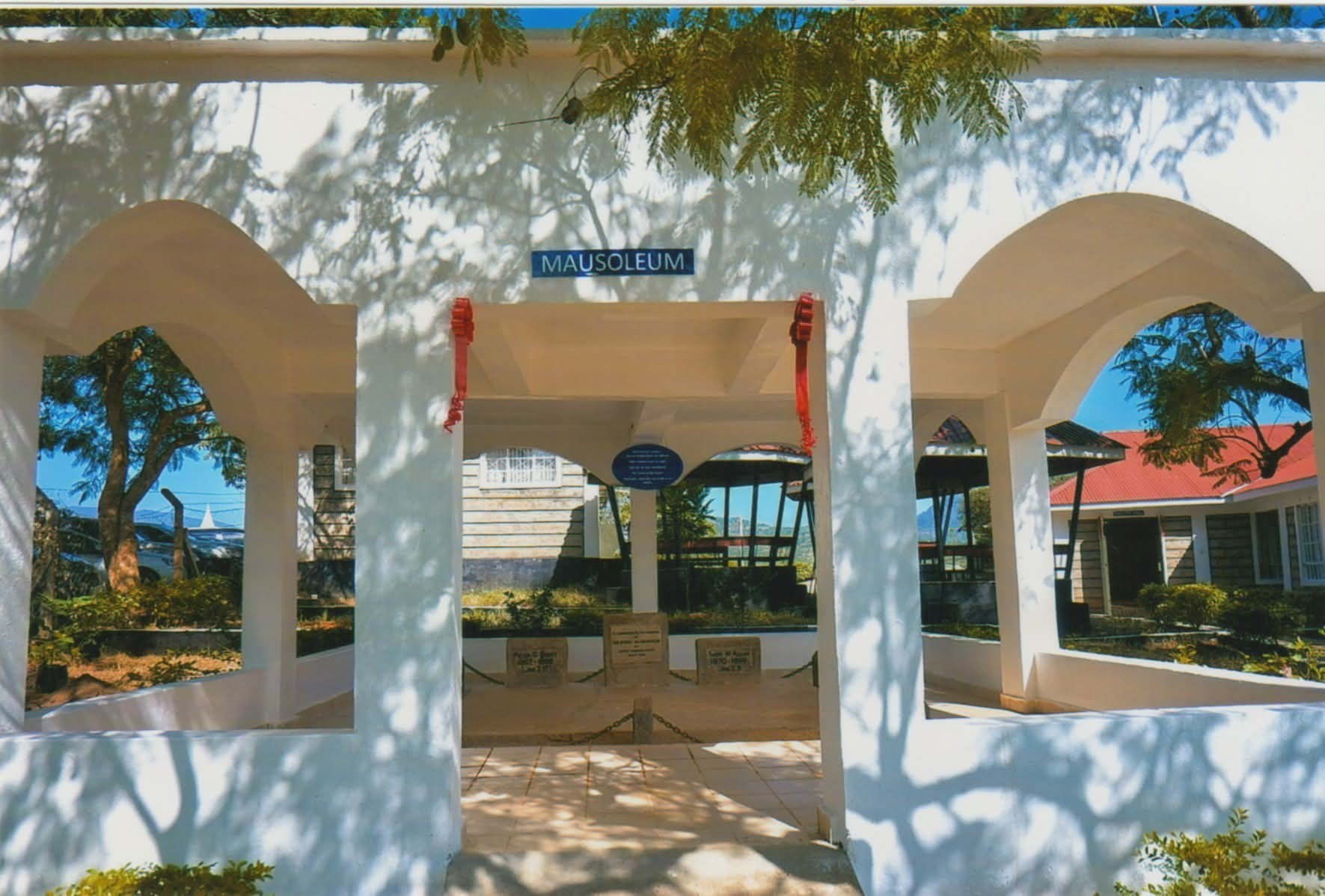
After falling seriously ill, Peter Cameron Scott passed away in 1896. Rather than return his body to America, fellow missionaries chose to bury him at Kalamba — the land he had passionately served. Beside his grave also lays Thomas Allan, who died in 1898, a member of His mission who led the second group of AIM missionaries to the interior of Kenya.
Though there were reportedly concerns from supporters in the United States who hoped for their return home, the missionaries believed it was fitting for them to rest in Africa.
A mausoleum was later constructed to honor Scott’s legacy. Today, it remains one of the most powerful attractions at Kalamba Historic Site — a place of reflection and remembrance.
Preservation and National Recognition
Over time, Kalamba gained recognition for both its missionary history and cultural importance. A museum was established to preserve artifacts of the Akamba heritage — including traditional tools, carvings, beekeeping equipment, household items, and musical instruments.
There were also discussions during the presidency of Daniel arap Moi, a devoted member of AIC, about further developing the site into a major national heritage destination. However, due to funding limitations and shifting national priorities, the plans were not fully realized.
Visiting Kalamba Today
Kalamba Historic Site is accessible from Nairobi, approximately 160 kilometers southeast via the Nairobi–Mombasa Highway, branching toward Wote in Makueni County. The journey takes about three to four hours by road.
Entry fees are modest — typically around Ksh 100–200 for Kenyan citizens and approximately USD 10–20 for non-citizens, though visitors are advised to confirm current rates before traveling.
| Visitors | Entry Fee |
| Kenyan Citizens | Ksh 100–200 |
| Non- Citizens | USD 10–20 |
A Living Symbol of Encounter and Identity
Today, Kalamba Historic Site stands as a powerful symbol of faith, cultural encounter, resilience, and historical transformation. It represents not only the beginnings of inland missionary work in Kenya but also the enduring strength of the Akamba heritage. Preserving Kalamba Historic Site is not merely about protecting old buildings or graves. It is about safeguarding memory, identity, and the story of how cultures met, sometimes clashed, and ultimately shaped one another.
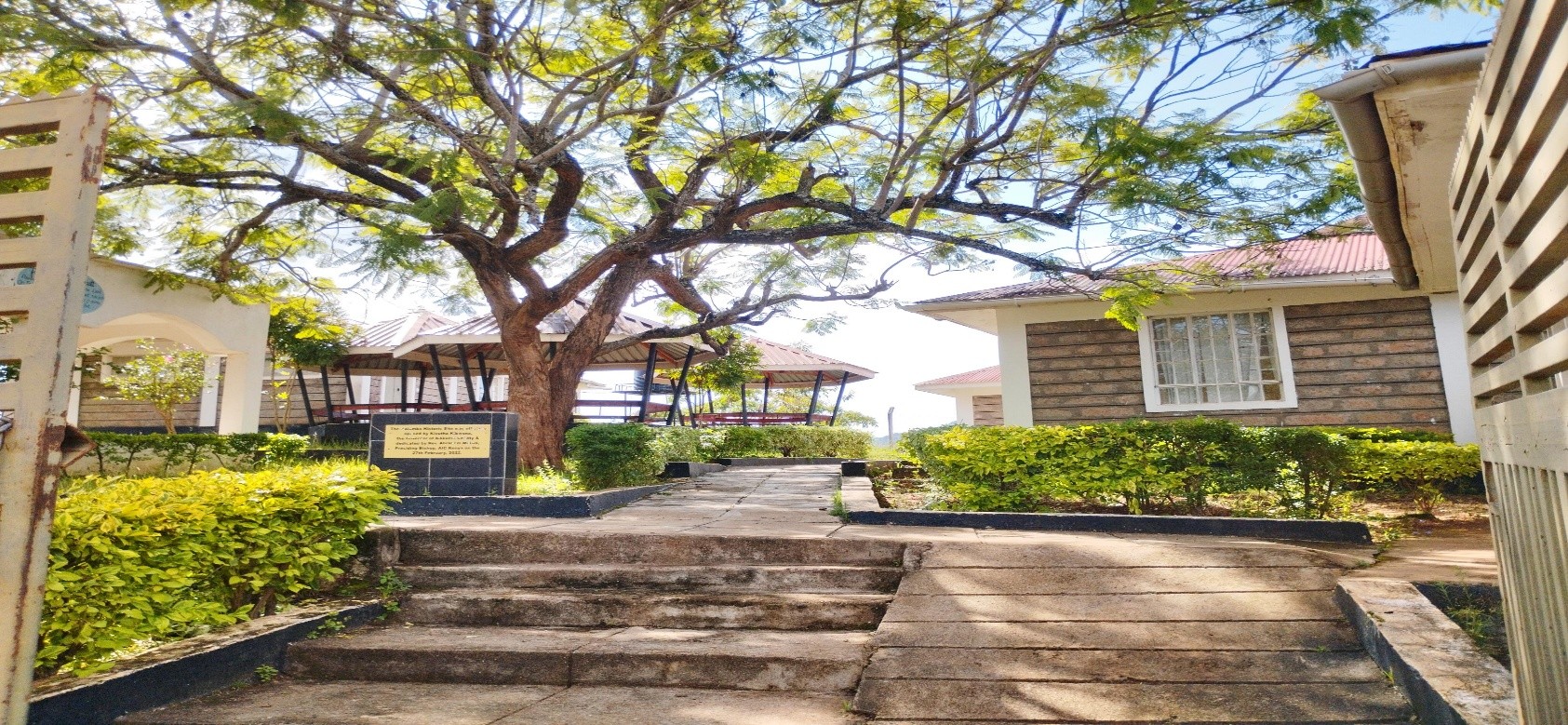 For historians, pilgrims, cultural enthusiasts, and travellers seeking meaningful destinations, Kalamba is more than a historic site, it is a living narrative of Kenya’s diverse journey.
Kalamba Historic Site
Kalamba Historic Site is one of Kenya’s hidden gems, rich in history, faith, and cultural heritage. But why do I say so? And why should anyone consider visiting this remarkable place?
Its significance is reflected in three major highlights:
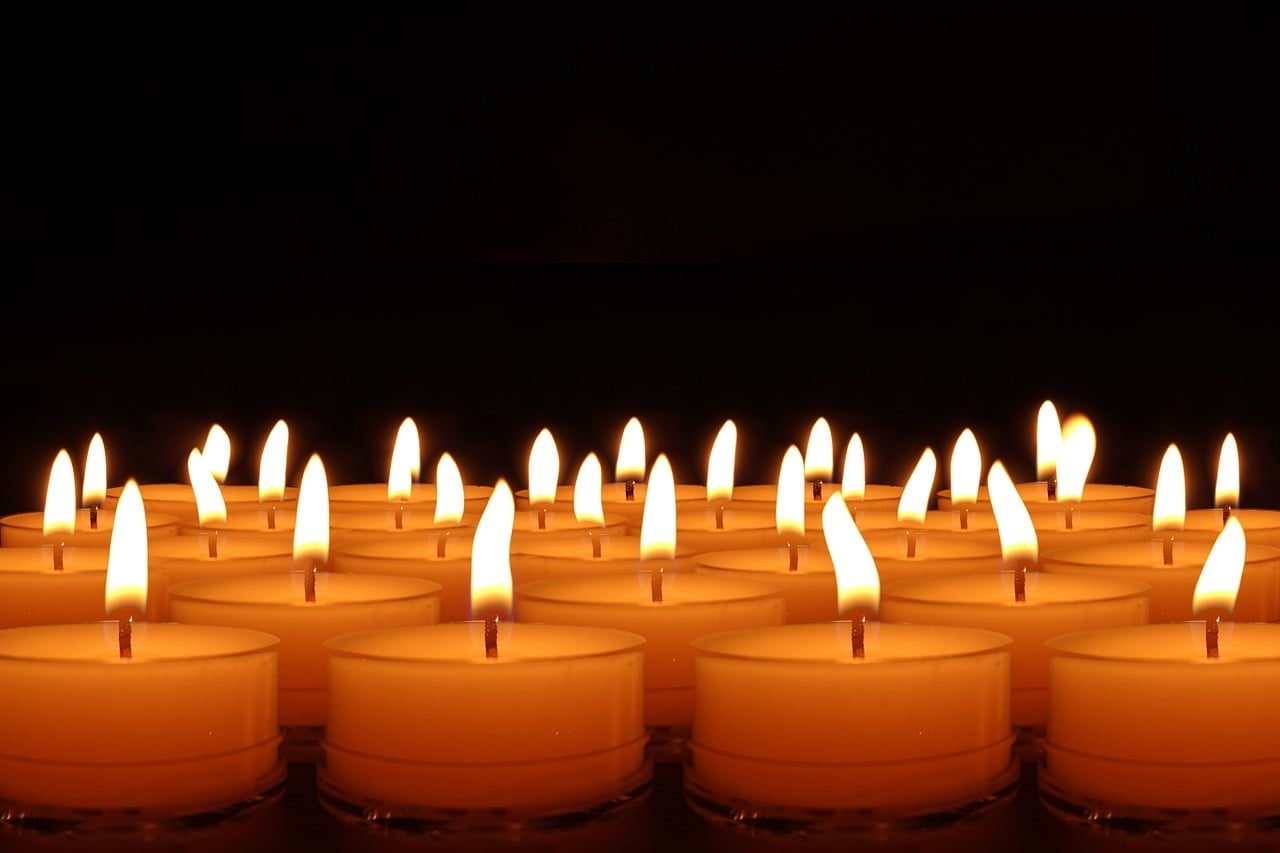
- A mausoleum ; believed to contain the remains of the first missionaries — Peter Cameron Scott,who died in 1896 and Thomas Allan, who died in 1898
- The old church; built in 1932 by AIM missionaries, as a more permanent building to replace the first grass thatched church built by the fist missionaries. It still stands upto date as a symbol of enduring faith and dedication.
- A museum; showcasing the rich culture and traditions of the surrounding Akamba community, with images showing the dynamics of the mission work in conjunction withe the Akamba culture.
Located in the eastern part of Kenya in Makueni County, Kalamba’s story, however, begins far away in Philadelphia, where Peter Cameron Scott was born.
Peter Cameron Scott was a Scottish-American missionary with a deep passion for spreading the Christian faith in Africa. In the late 19th century, he felt a strong calling to establish a mission in East Africa. Driven by faith and determination, he founded the Africa Inland Mission (AIM).
In 1895, despite limited resources and serious health risks, Scott travelled to East Africa. His goal was clear: to reach inland communities that had not yet encountered Christian teaching. This mission would later give birth to the Africa Inland Church (AIC), now one of Kenya’s largest Christian denominations.
Scott’s journey led him to the Ukambani region. Sadly, his life was cut short by illness in 1896. Yet even in death, his vision did not die. Instead, it laid the foundation for decades of missionary work that would shape the spiritual landscape of the region.
The Land and Its People: The Akamba of Nzaui
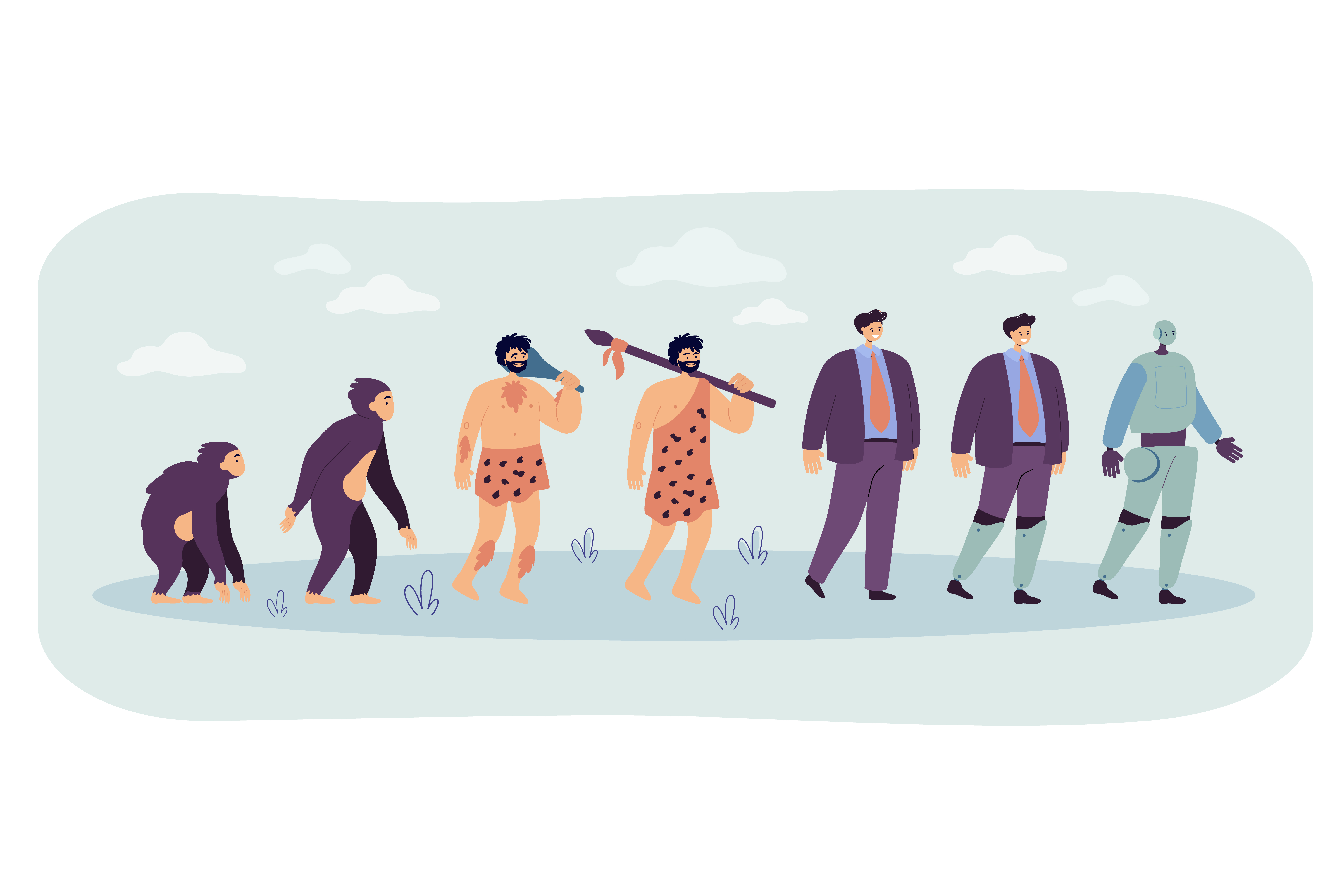
Before the arrival of missionaries, the Kalamba region, then known as Nzaui, was home to the Akamba people. The Akamba were known for their resilience, long-distance trade, beekeeping, and exceptional wood-carving skills.

They traded across vast regions, exchanging ivory, grains, honey, and handcrafted goods. Spiritually, they believed in a supreme God known as Ngai and honoured ancestral spirits termed as aimu through elders and diviners.
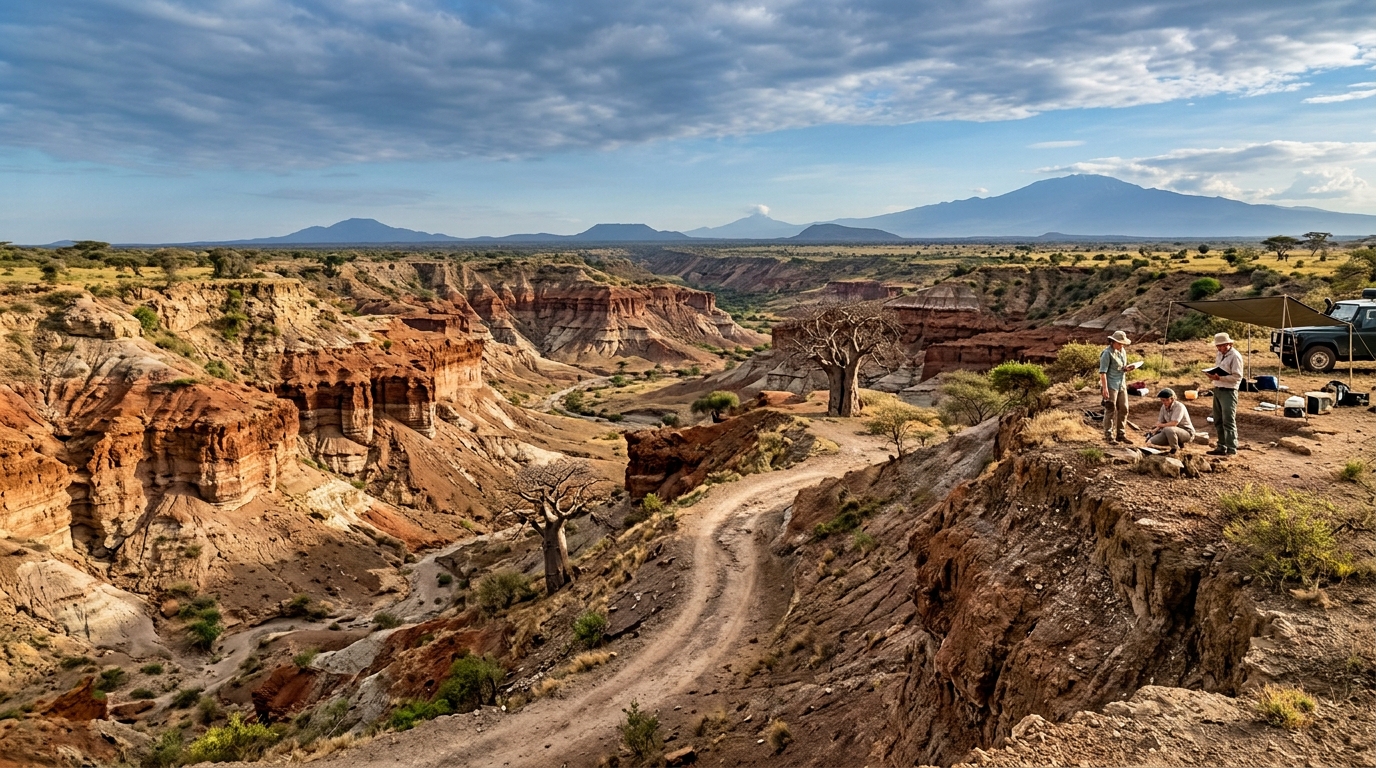
Nzaui’s semi-arid terrain, rocky hills and scattered vegetation shaped the community’s resourcefulness. Governance revolved around councils of elders who resolved disputes and preserved customs. Knowledge was passed down orally long before formal education was introduced.
Music, storytelling, dance, and rites of passage played an important role in maintaining social unity and cultural continuity.
Cultural Encounter and Early Struggles
When Scott and his missionary team arrived under the banner of Africa Inland Mission,they were hosted by the Church Missionary Society at Frere town in Mombasa, the bigger task was entering the interior for their mission work, their reception was uncertain and at times hostile. The local community was understandably cautious of foreigners with unfamiliar teachings.
Communication barriers and cultural differences created tension. The missionaries began humbly, building simple mud-walled churches with thatched roofs. They faced malaria, harsh climatic conditions, food shortages, and resistance from some locals.
Yet, over time, relationships slowly formed. Acts of compassion, offering medical assistance and basic education, gradually earned trust. Some members of the community began embracing Christianity.
An interesting oral tradition tells of an elderly medicine woman know as Syombesa, believed to possess mythical bees that never attacked her and produced abundant honey. These bees, whose descendants locals believe still exist in the area, became woven into Kalamba’s folklore symbolizing mystery, blessing, and cultural continuity.
The 1932 Old Church.
In 1932, a more permanent church replaced the earlier mud structures. Built on a large rock foundation, it symbolized strength and spiritual stability. Constructing the church on rock also protected it from erosion and termite damage common in the region. Its design was simple but functional — featuring a lobby area, a main sanctuary, and adjoining rooms used for prayer and instruction.
The conical roof was both practical and culturally influenced. It allowed heat to rise in the hot climate while echoing traditional African architectural forms.Today, the church still stands — a silent witness to endurance, faith, and transformation.
The Mausoleum: A Missionary’s Final Resting Place
After falling seriously ill, Peter Cameron Scott passed away in 1896. Rather than return his body to America, fellow missionaries chose to bury him at Kalamba — the land he had passionately served. Beside his grave also lays Thomas Allan, who died in 1898, a member of His mission who led the second group of AIM missionaries to the interior of Kenya.
Though there were reportedly concerns from supporters in the United States who hoped for their return home, the missionaries believed it was fitting for them to rest in Africa.
A mausoleum was later constructed to honor Scott’s legacy. Today, it remains one of the most powerful attractions at Kalamba Historic Site — a place of reflection and remembrance.
Preservation and National Recognition
Over time, Kalamba gained recognition for both its missionary history and cultural importance. A museum was established to preserve artifacts of the Akamba heritage — including traditional tools, carvings, beekeeping equipment, household items, and musical instruments.
There were also discussions during the presidency of Daniel arap Moi, a devoted member of AIC, about further developing the site into a major national heritage destination. However, due to funding limitations and shifting national priorities, the plans were not fully realized.
Visiting Kalamba Today
Kalamba Historic Site is accessible from Nairobi, approximately 160 kilometers southeast via the Nairobi–Mombasa Highway, branching toward Wote in Makueni County. The journey takes about three to four hours by road.
Entry fees are modest — typically around Ksh 100–200 for Kenyan citizens and approximately USD 10–20 for non-citizens, though visitors are advised to confirm current rates before traveling.
| Visitors | Entry Fee |
| Kenyan Citizens | Ksh 100–200 |
| Non- Citizens | USD 10–20 |
A Living Symbol of Encounter and Identity
Today, Kalamba Historic Site stands as a powerful symbol of faith, cultural encounter, resilience, and historical transformation. It represents not only the beginnings of inland missionary work in Kenya but also the enduring strength of the Akamba heritage. Preserving Kalamba Historic Site is not merely about protecting old buildings or graves. It is about safeguarding memory, identity, and the story of how cultures met, sometimes clashed, and ultimately shaped one another.
For historians, pilgrims, cultural enthusiasts, and travellers seeking meaningful destinations, Kalamba is more than a historic site, it is a living narrative of Kenya’s diverse journey.
By Fàith Wambua
March 2, 2026
Comments (0)
No comments yet. Be the first to comment!
Leave a Comment
Please log in to leave a comment.
Login to Comment Register