
Murchison Falls National Park
In the Beginning…
Staying in the same place for a long time can make even the most remarkable sights feel ordinary. Familiarity can dull curiosity and reduce the sense of wonder that visitors often feel. This was likely the case for many locals living near Murchison Falls in the 18th and 19th centuries. With limited opportunities for long-distance travel at the time, many locals may not have viewed the falls as extraordinary in the way outsiders did.
When British explorer Samuel Baker and his wife Florence Baker reached the falls while exploring the meandering Nile River in present-day Uganda, they were captivated by the immense force of the water. Struck by its dramatic power, Baker named the waterfall after Roderick Murchison, who was then the president of the Royal Geographical Society.
Murchison Falls is often described as the most powerful waterfall in the world because the Nile is forced through an extremely narrow gorge before plunging downward, creating immense pressure and a spectacular surge of water.
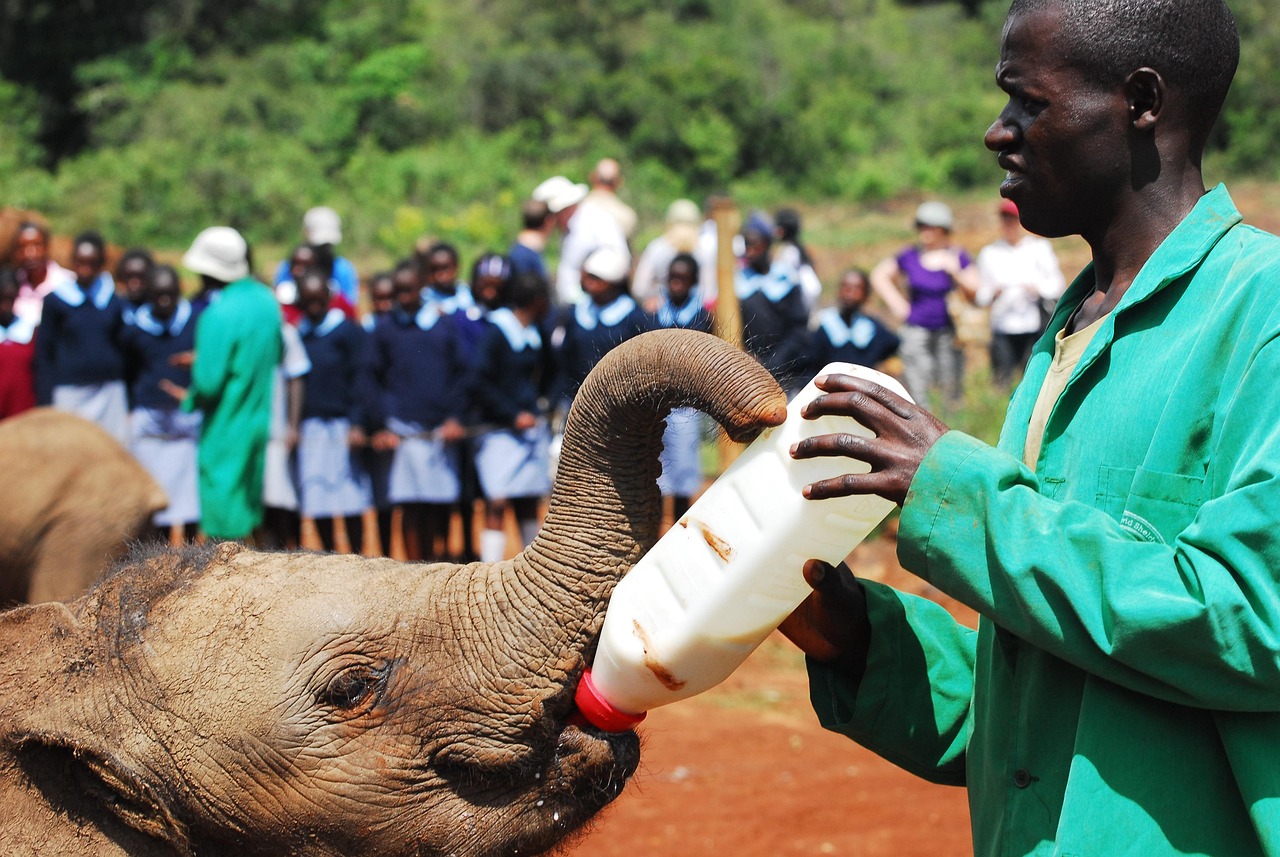
Like many major water sources in the savanna, the surrounding area supports a rich variety of flora and fauna. The reliable water supply attracts numerous plant species and wildlife, making the ecosystem especially vibrant. Because of its ecological importance and natural beauty, the region was later designated as a protected wildlife reserve. It was officially established as Murchison Falls National Park in 1952 during the period of British colonial rule.
The Park
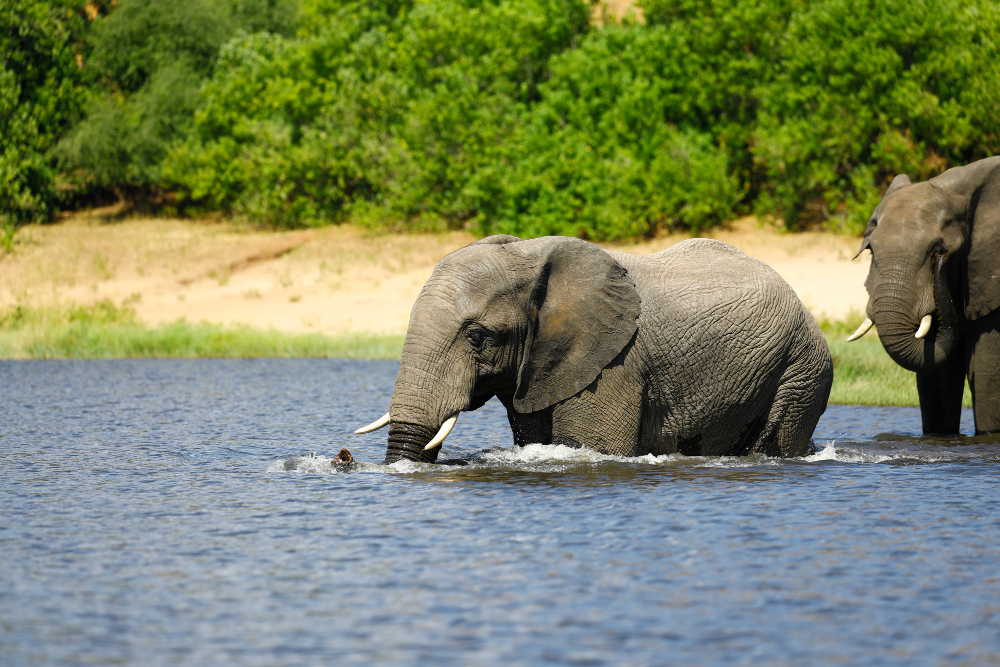 Murchison Falls National Park stretches across several districts in northern Uganda and is part of the larger Murchison Falls Conservation Area, which also includes the Bugungu Wildlife Reserve and the Karuma Wildlife Reserve.
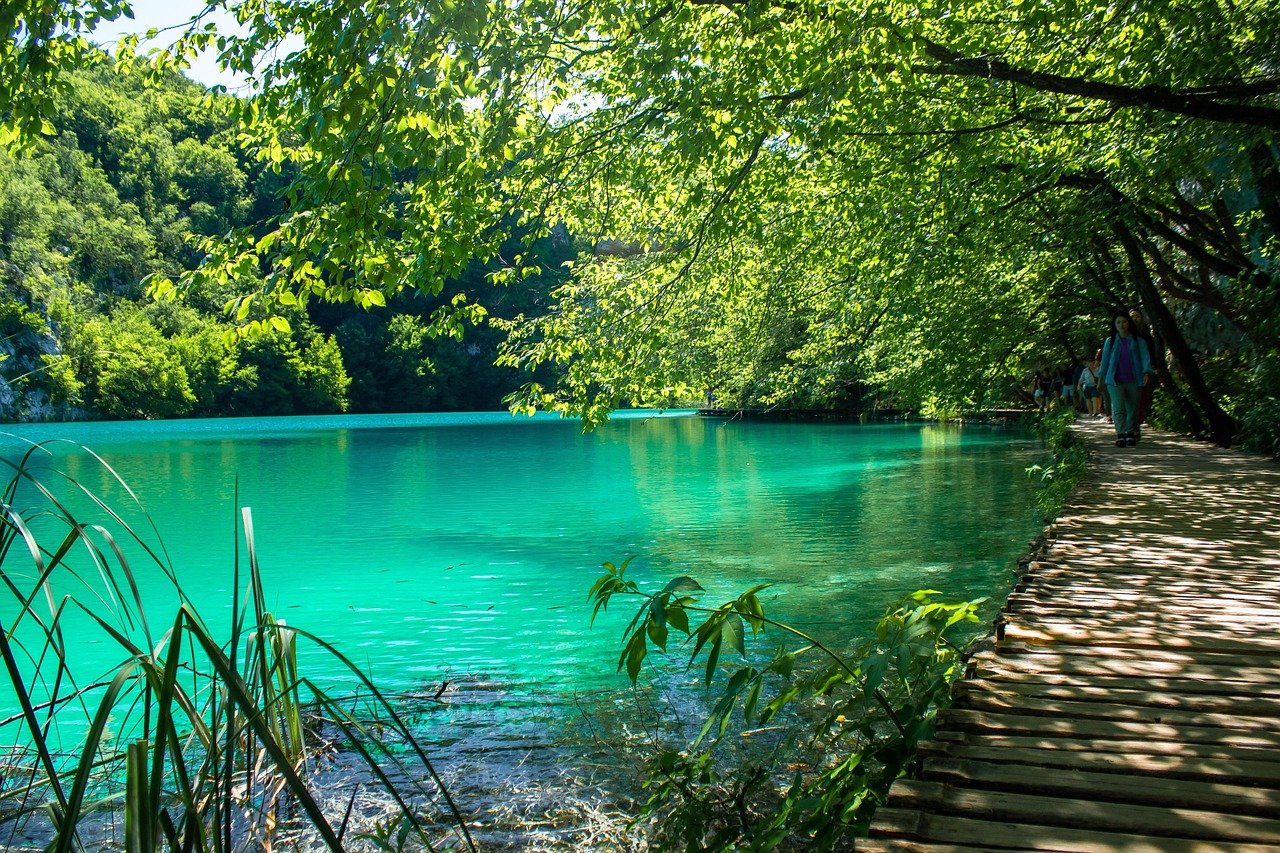
The park is divided by the powerful Victoria Nile, which flows from Lake Victoria toward Lake Albert. The river creates fertile riverbanks and supports a wide range of plants and animals.
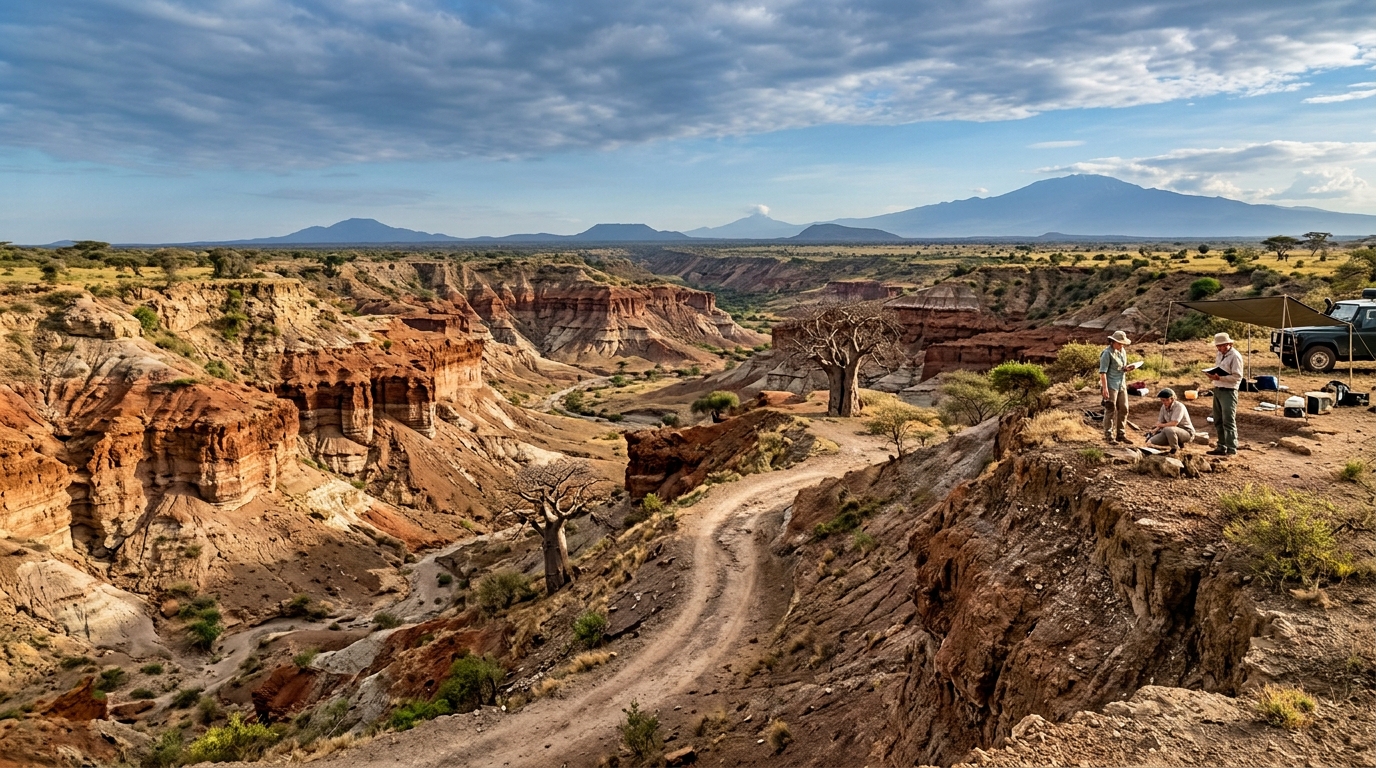
The landscape of the park is diverse, including open savannah grasslands, riverine forests, wetlands, and woodlands. These varied habitats support different species of wildlife and plants, making the park an important ecological zone.
The Waterfall
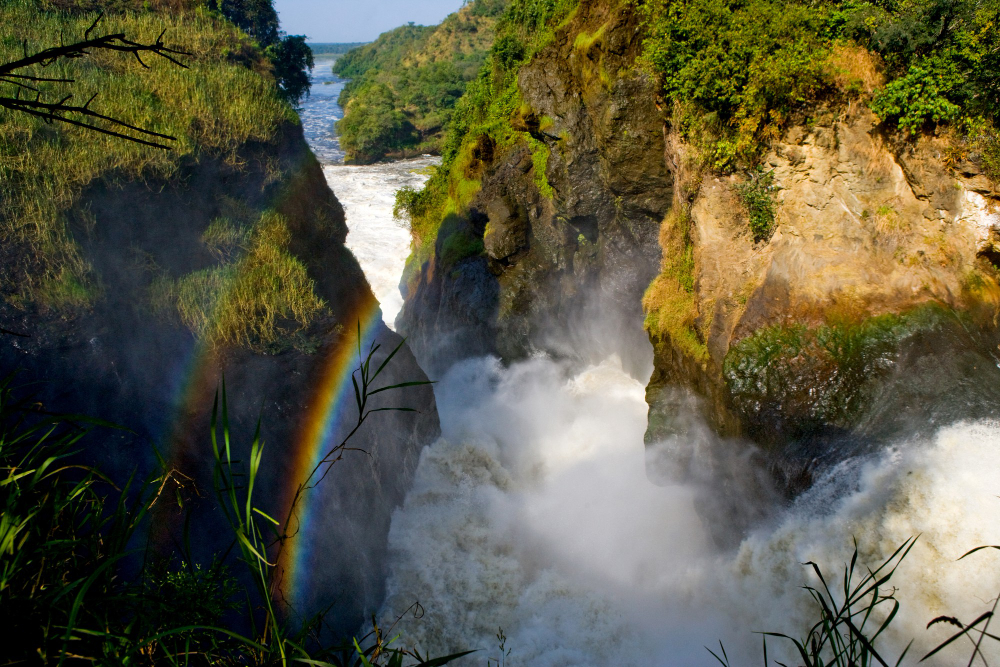
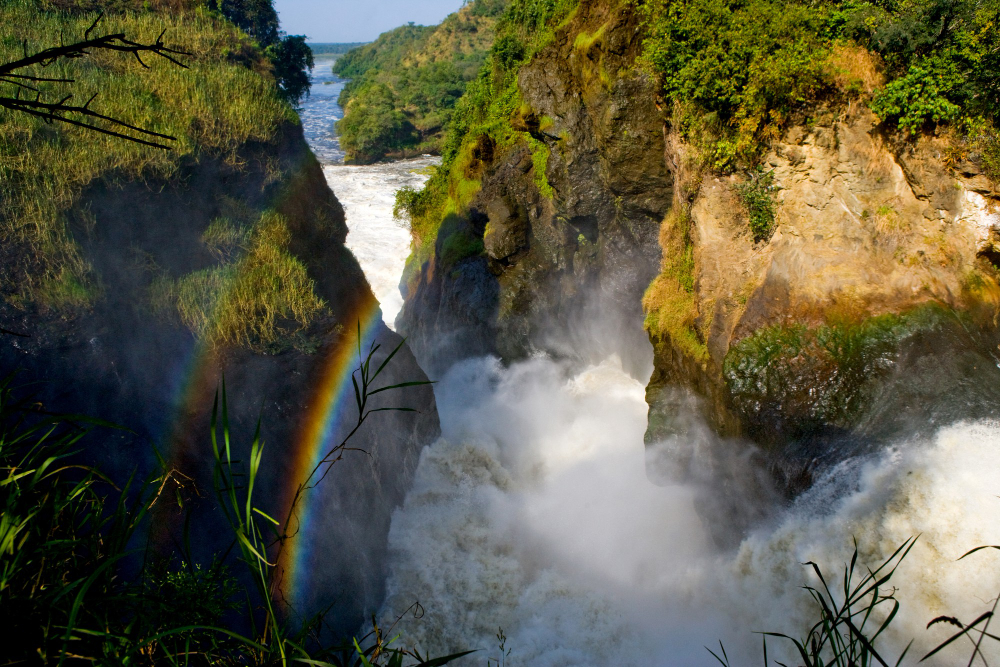 The park’s most famous attraction is Murchison Falls. At this location, the waters of the Victoria Nile are forced through a narrow gorge only about seven meters wide. The river then plunges approximately 43 meters below, creating a powerful and thunderous waterfall. The immense force of the water produces a loud roar and a cloud of mist that rises above the falls. Visitors often see rainbows forming in the spray. Because of the massive volume of water passing through the narrow gorge, the waterfall is considered one of the mostpowerful waterfalls in the world.
Wildlife and Biodiversity
One of the greatest attractions of Murchison Falls National Park is its rich wildlife. The park is home to many species of mammals, reptiles, birds, and plants. Large mammals commonly seen in the park include
- Elephants
- Giraffes
- Lions
- Buffalo
- Antelopes
- Leopards.
The riverbanks are especially known for their large populations of hippopotamuses and crocodiles that spend much of their time in the water. It also has a high population of the rare Rothschild’s giraffe.
The park is also famous for its birdlife. More than 450 bird species have been recorded here, making it a popular destination for bird watchers. One of the most sought-after birds is the rare Shoebill, a large prehistoric-looking bird found in swampy areas.
Entry Fees
The park charges a fee that differs based on nationality as follows:
| Category | Foreigners | East African Citizens |
| Park Entry Fees | USD $35 – $45 | UGX 25,000 |
Where to Stay
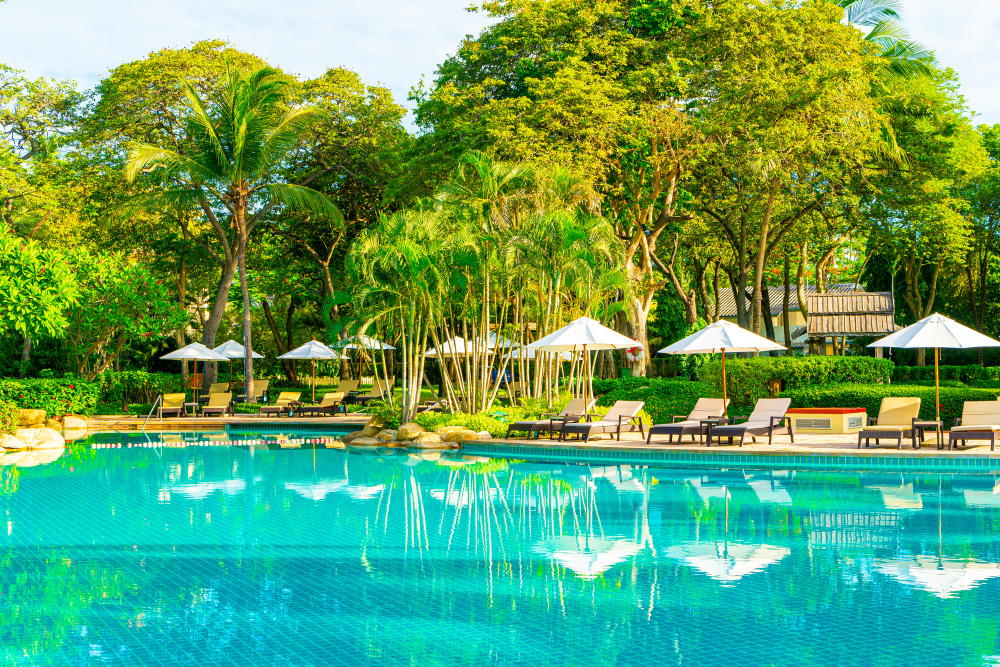 There is a wide range of accommodation options for visitors to Murchison Falls National Park, suitable for different budgets and travel preferences. Prices can fluctuate depending on the season. The peak travel months—December to February and June to August—tend to have higher rates due to increased demand. Conversely, during the rainy season (March to May and September to November), visitor numbers are lower, and hotel rates are often more affordable.
The table below provides an estimate of the types of accommodations available. For accurate pricing and availability, it is recommended to contact the lodges or camps directly, as rates may vary based on the season and specific packages.
| Category | Lodge | Avg. Cost per Night (approx.) | Family Setup | Best For |
| Luxury | Nile Safari Lodge | $150–$250 per person (including breakfast) | Small lodges with river views best for small families with kids sharing beds | Quiet luxury stay with river views |
| Luxury | Chobe Safari Lodge | ~$200–$400+ per night (all inclusive) | Larger lodge with spacious rooms; suitable for families with kids | Premium comfort with spa & pool |
| Luxury | Paraa Safari Lodge | $150–$250 per night (meals incl.) | Family rooms and suites available | Easy access to game drives & boat cruises |
| Mid‑Range | Pakuba Safari Lodge | $70–$110+ per night (≈ incl. breakfast) | Family cottages & balcony rooms good for family groups | Great location near game tracks |
| Mid‑Range | Murchison River Lodge | $130–$165+ (family packages available) | Family packages (2 adults + kids) available from ~$275–$360 total | Scenic, river‑view stay without luxury prices |
| Budget | Red Chilli Rest Camp | ~$15–$60 (camp/tent) / ~$100–$150 (simple tents) | Shared facilities; best for adventure families comfortable with basic setup | Cheapest inland option |
| Budget | Fort Murchison | $60–$90 (approx.) per night | Family‑friendly lodge rooms & tents | Affordable stay with Swahili style |
Murchison Falls National Park
In the Beginning…
Staying in the same place for a long time can make even the most remarkable sights feel ordinary. Familiarity can dull curiosity and reduce the sense of wonder that visitors often feel. This was likely the case for many locals living near Murchison Falls in the 18th and 19th centuries. With limited opportunities for long-distance travel at the time, many locals may not have viewed the falls as extraordinary in the way outsiders did.
When British explorer Samuel Baker and his wife Florence Baker reached the falls while exploring the meandering Nile River in present-day Uganda, they were captivated by the immense force of the water. Struck by its dramatic power, Baker named the waterfall after Roderick Murchison, who was then the president of the Royal Geographical Society.
Murchison Falls is often described as the most powerful waterfall in the world because the Nile is forced through an extremely narrow gorge before plunging downward, creating immense pressure and a spectacular surge of water.
Like many major water sources in the savanna, the surrounding area supports a rich variety of flora and fauna. The reliable water supply attracts numerous plant species and wildlife, making the ecosystem especially vibrant. Because of its ecological importance and natural beauty, the region was later designated as a protected wildlife reserve. It was officially established as Murchison Falls National Park in 1952 during the period of British colonial rule.
The Park
Murchison Falls National Park stretches across several districts in northern Uganda and is part of the larger Murchison Falls Conservation Area, which also includes the Bugungu Wildlife Reserve and the Karuma Wildlife Reserve.
The park is divided by the powerful Victoria Nile, which flows from Lake Victoria toward Lake Albert. The river creates fertile riverbanks and supports a wide range of plants and animals.
The landscape of the park is diverse, including open savannah grasslands, riverine forests, wetlands, and woodlands. These varied habitats support different species of wildlife and plants, making the park an important ecological zone.

The Waterfall
The park’s most famous attraction is Murchison Falls. At this location, the waters of the Victoria Nile are forced through a narrow gorge only about seven meters wide. The river then plunges approximately 43 meters below, creating a powerful and thunderous waterfall. The immense force of the water produces a loud roar and a cloud of mist that rises above the falls. Visitors often see rainbows forming in the spray. Because of the massive volume of water passing through the narrow gorge, the waterfall is considered one of the mostpowerful waterfalls in the world.
Wildlife and Biodiversity
One of the greatest attractions of Murchison Falls National Park is its rich wildlife. The park is home to many species of mammals, reptiles, birds, and plants. Large mammals commonly seen in the park include
- Elephants
- Giraffes
- Lions
- Buffalo
- Antelopes
- Leopards.
The riverbanks are especially known for their large populations of hippopotamuses and crocodiles that spend much of their time in the water. It also has a high population of the rare Rothschild’s giraffe.
The park is also famous for its birdlife. More than 450 bird species have been recorded here, making it a popular destination for bird watchers. One of the most sought-after birds is the rare Shoebill, a large prehistoric-looking bird found in swampy areas.
Entry Fees
The park charges a fee that differs based on nationality as follows:
| Category | Foreigners | East African Citizens |
| Park Entry Fees | USD $35 – $45 | UGX 25,000 |
Where to Stay
There is a wide range of accommodation options for visitors to Murchison Falls National Park, suitable for different budgets and travel preferences. Prices can fluctuate depending on the season. The peak travel months—December to February and June to August—tend to have higher rates due to increased demand. Conversely, during the rainy season (March to May and September to November), visitor numbers are lower, and hotel rates are often more affordable.
The table below provides an estimate of the types of accommodations available. For accurate pricing and availability, it is recommended to contact the lodges or camps directly, as rates may vary based on the season and specific packages.
| Category | Lodge | Avg. Cost per Night (approx.) | Family Setup | Best For |
| Luxury | Nile Safari Lodge | $150–$250 per person (including breakfast) | Small lodges with river views best for small families with kids sharing beds | Quiet luxury stay with river views |
| Luxury | Chobe Safari Lodge | ~$200–$400+ per night (all inclusive) | Larger lodge with spacious rooms; suitable for families with kids | Premium comfort with spa & pool |
| Luxury | Paraa Safari Lodge | $150–$250 per night (meals incl.) | Family rooms and suites available | Easy access to game drives & boat cruises |
| Mid‑Range | Pakuba Safari Lodge | $70–$110+ per night (≈ incl. breakfast) | Family cottages & balcony rooms good for family groups | Great location near game tracks |
| Mid‑Range | Murchison River Lodge | $130–$165+ (family packages available) | Family packages (2 adults + kids) available from ~$275–$360 total | Scenic, river‑view stay without luxury prices |
| Budget | Red Chilli Rest Camp | ~$15–$60 (camp/tent) / ~$100–$150 (simple tents) | Shared facilities; best for adventure families comfortable with basic setup | Cheapest inland option |
| Budget | Fort Murchison | $60–$90 (approx.) per night | Family‑friendly lodge rooms & tents | Affordable stay with Swahili style |
By Fàith Wambua
March 10, 2026
Comments (0)
No comments yet. Be the first to comment!
Leave a Comment
Please log in to leave a comment.
Login to Comment Register